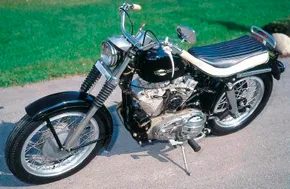
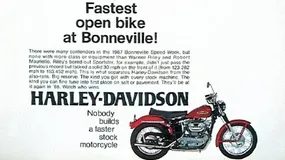
The 1964 Harley-Davidson XLCH Sportster wasn’t just another bike on the lot. It was a weapon. Its 883-cc V-twin engine crushed most competitors of the era. Most rivals were British 650-cc twins. Harley had a massive 233-cc advantage. In drag racing, size matters. Big displacement wins.
This model earned the unofficial title “King of the Drags.” It held that crown until the late 1960s. Power rose steadily over the years. The fleet became legendary.
Origin of the XLCH Name
Harley introduced the XL Sportster in 1957. It was solid. Reliable. Then came 1959. They needed something faster. They created the XLCH. The “CH” stood for “Competition Hot.”
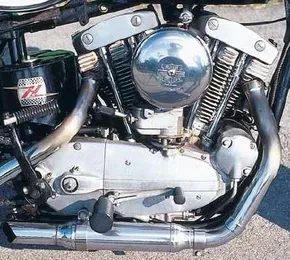
It was a stripped-down machine. Harley removed unnecessary weight. They added magneto ignition for better spark. High exhaust pipes kept heat away from the rider. A solo seat replaced the bulky touring saddle. A smaller “peanut” tank reduced bulk. The whole package was lighter.
The goal was simple. On-road and off-road work.
The Eyebrow Headlight and the XLH
The 1964 Harley-Davidson XLCH Sportster featured the famous “eyebrow” headlight cover. It remains a Sportster trademark today. You can spot one from a mile away.
Harley also offered the XLH. This version was dressed up. It had touring influences. More comfort. More chrome. But it lost out to the sportier sibling. The XLCH outsold the XLH. Enthusiasts wanted speed, not luxury.
Why It Dominated the Strip
British bikes were everywhere in the 1960s. Triumphs. Nortons. BSA twins. They were good bikes. But they were small. 650 cc. Harley’s 883 cc V-twin was nearly twice the size.
Drag racing is about torque. And power. The Sportster delivered both. It was built for straight-line speed. The competition couldn’t match the displacement. Simple physics.
This wasn’t just about style. It was about engineering. Harley understood that riders wanted performance. The XLCH delivered it.
Legacy of the Sportster
The 1964 model is part of a long lineage. The Sportster has been around since 1957. It evolved. Changed. But the core idea stayed the same. Power. Simplicity. Speed.
Today, the XLCH is a collector’s dream. It represents a time when American muscle met British competition. And America won.
The King of the Drags didn’t just win races. It changed how people thought about motorcycles. It proved that you could have a fun, fast bike without sacrificing reliability.
Harley-Davidson didn’t stop there. They kept improving. The Sportster name lives on. But the 1964 XLCH remains iconic. A piece of history. A machine that defined an era.
Want to know more about how these engines work? Or why British bikes struggled against American V-twins? The story continues.
The Look of Rebellion: 1964 XLCH Styling Shifts
The 1964 Harley-Davidson XLCH Sportster didn’t just tweak the lineup. It fundamentally changed how the bike sat on the street. By shaving off pounds and swapping out bulky components for something sharper, Harley gave riders a machine that felt lighter than it was.
The Eyebrow Headlight
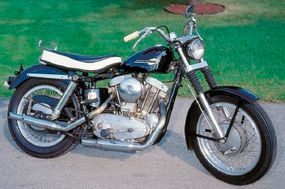
The most immediate visual cue was the headlight. Previous models had round, exposed bulbs that looked a bit like old-fashioned streetlamps. The 1964 update introduced the “eyebrow” cover.
This wasn’t just a cosmetic flourish. The eyebrow housing altered the light beam and gave the front end a more aggressive, narrowed stare.
It looked fast even when standing still. The metal shield wrapped around the top and sides, leaving the lower portion open. This design choice became iconic. You could spot an XLCH from across a parking lot by this single feature. It signaled that the bike was meant for movement, not just commuting.
Weight Loss Through Minimalism
Harley’s engineers were obsessed with weight reduction in the early 60s. They knew that for a sports bike, every pound mattered. The XLCH achieved this through ruthless simplification.
First, they removed the passenger seat. This was a solo seat only. No more pillion pad. No more grab rails for a passenger to hold onto if things got bumpy. It was a declaration: this ride was for one. If you wanted company, you bought a different bike. This cut significant weight from the rear frame and eliminated the need for heavier mounting hardware.
Next came the fuel tank. They swapped the large, teardrop-shaped tanks used on other models for the small “peanut” tank.
- Smaller Capacity: The peanut tank held less gas, obviously. But it also took up less space.
- Lower Profile: It sat lower between the rider’s legs. This lowered the center of gravity slightly.
- Cleaner Lines: With less metal curving around the midsection, the frame looked more exposed. The engine became the star of the show.
Why This Matters for Enthusiasts
You might ask why a 1964 model still generates discussion. It’s because the XLCH defined the “flat track” aesthetic. The combination of the peanut tank and the eyebrow headlight created a silhouette that was unmistakably Harley, yet distinctly sporty.
The weight savings weren’t just about numbers on a spec sheet. They translated to handling. A lighter bike turns easier. It accelerates without fighting its own mass. The solo seat forced the rider to commit fully to the machine. There was no option to lean back and let a passenger dictate the pace.
This era of Sportsters was about stripping away the excess. The 1964 XLCH wasn’t trying to be a cruiser. It was trying to be a racer you could ride to the track. The eyebrow headlight and peanut tank were the visual shorthand for that intent.
Later models would return to larger tanks and dual seats. The market shifted back toward comfort. But the 1964 XLCH remains a benchmark for minimalist Harley design. It proved that you don’t need chrome everywhere to make a statement. You just need the right lines.
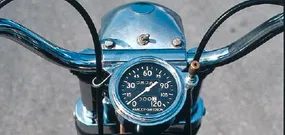
The previous sections covered the basics. Now we’re digging into the weeds. You want to know which vintage bike actually holds its value. You’re looking for the Classic Motorcycles that matter. Not just any old two-wheeler. The ones that turn heads at car shows and keep their prices steady when the market dips.
Why Some Bikes Outlast Trends
It’s not about nostalgia alone. It’s about engineering. Take the early Harley-Davidson Motorcycles. A 1947 Knucklehead isn’t just a relic. It’s a rolling lesson in air-cooled V-twin simplicity. When others failed, these held up. Why? Fewer parts to break. Easier to fix. That’s why they stay relevant.
Other brands tried to copy. They failed. The Harley wasn’t just a motorcycle. It was a statement. And today, that statement still commands attention. Collectors don’t buy the bike. They buy the story. The story sells. And the story is real.
How to Spot a Fake
Not every old bike is gold. Many are rust buckets with paint jobs. You need to look closer. Check the frame numbers. Match them to the engine. If they don’t line up, walk away. Real Classic Motorcycles have provenance. Papers. Receipts. History.
Fake ones? They’re everywhere. Online markets are flooded with them. You see a photo. Looks clean. Price seems low. Too low. That’s the red flag. Real vintage bikes don’t go cheap. They go quiet. And when they appear, they move fast.
Where to Find the Real Deal
You won’t find these at your local dealership. They’re at auctions. Private estates. Specialty shows. The How Motorcycles Work crowds might miss it. But the serious buyers? They know where to look.
Key locations:
– Barrett-Jackson auctions in Scottsdale
– Bonhams sales in New York
– Private collector gatherings in California
These aren’t just sales. They’re gatherings. People who care. Who know. They trade stories along with money. That’s where the real deals happen. Not in the open market. In the shadows. Where the serious buyers meet.
Which Models Are Worth Your Money?
Not all classics are equal. Some appreciate. Some depreciate. The ones to watch? Early Harleys. Specifically, pre-war models. The Knuckleheads. The Panheads. They’re the holy trinity of vintage Harley.
Other brands? Honda CB750s. BMW R-series twins. They hold value too. But not like the Harleys. The Harley brand carries weight. Global weight. That’s why it stays strong. Even when everything else falls apart.
So. You have a choice. Buy a bike because it’s pretty. Or buy one because it’s proven. The proven ones last. The pretty ones rust. Your call. But remember. When the market turns? You’ll want the proven ones. Not the pretty ones.