Detroit loves a comeback story. Automakers know that specific kind of tribal loyalty that keeps owners buying the same badge for decades. So they are bringing back old icons. It is risky. Environmental rules are tighter. Fuel economy standards are punishing. Safety tech is getting complicated. But the profit potential of nostalgia is too big to ignore.
Three names are in the running to return. The Jeep Grand Wagoneer. The Ford Bronco. The Chevrolet Blazer. If these sell, they become rare animals. They would be among the last truck-based, body-on-frame SUVs left standing. That platform is dying. Most cars are unibody now. Crossover. Light. Efficient. Unfit for serious abuse. But these three stick to the old ways. Solid axles. Frame rails. Real off-road capability.
They do not need the mass market. They need the hardcore enthusiasts. The people who buy trucks when they can get an SUV. The ones who don’t care about gas prices. The ones who laugh at emission standards. This is a small but vocal audience. And it is enough to keep engineers working late.
Let’s look at how they are reimagining the Jeep Grand Wagoneer revival.
The return of the Grand Wagoneer
Jeep is playing with fire here. The original Wagoneer launched in 1963. It was revolutionary. First SUV with a unibody construction? No. Actually, it was one of the first with a body-on-frame layout that offered car-like comfort. It changed everything. By the time the nameplate died in the late eighties, it was the top of the line for Grand Cherokee.
Now, they are bringing back the Jeep Grand Wagoneer name. But not as a trim level. As its own vehicle. A full-size luxury SUV.
Think about the specs. This isn’t a toy. It is a statement. It uses the Dakota platform. No, wait. The new Grand Wagoneer (WK2) used the Jeep Grand Cherokee platform. But the revived Grand Wagoneer (WAG) is different. It is a dedicated model.
“If sales of these three are successful, they would be among just a handful of truck-based, body-on-frame traditional SUVs that are still on the market.”
This distinction matters. Most modern SUVs are crossovers. They are car-based. They slide around corners. They handle potholes. They do not rock crawl. The new Grand Wagoneer aims for the middle ground. Luxury. Tech. But with the ruggedness of a truck.
Why body-on-frame still matters
You might ask why anyone wants a body-on-frame vehicle in 2024. It is heavier. It gets worse gas mileage. It is harder to park. But it offers something crossovers cannot. Durability.
Body-on-frame construction uses a separate ladder frame. The body sits on top. This allows for independent suspension on the front axle and a solid axle on the rear. Or both solid. It allows for articulation. When one wheel hits a rock, the other stays planted. The frame twists. The suspension flexes. The vehicle keeps moving.
Crossovers use a unibody. The
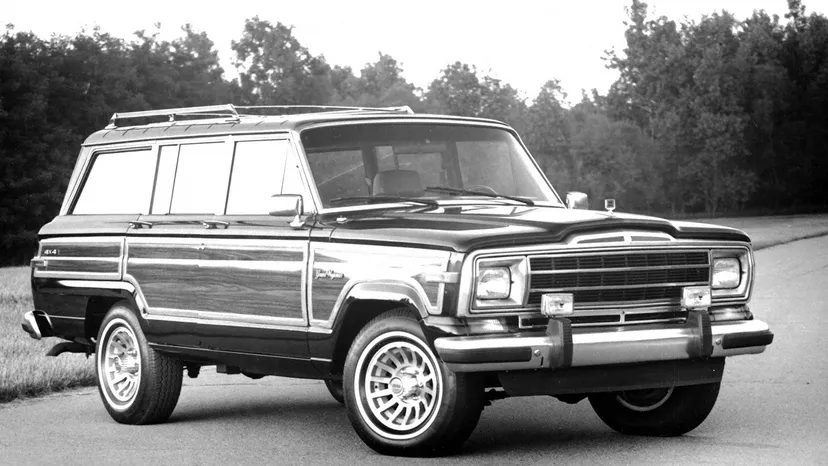
The luxury revival narrative surrounding the Jeep Grand Wagoneer has been stuck in neutral for years. It is the kind of vehicle that splits opinion—high-end luxury wrapped in off-road capability—but the timeline for its arrival remains frustratingly vague. Specifically, the prospect of a three-row Grand Wagoneer has been a staple of automotive speculation since 2016. It promises to capture the “preppy” demographic that wants range without sacrificing status.
The official word from Fiat Chrysler Automobiles (FCA) came in early June 2018. The company announced plans to resurrect both the Wagoneer and Grand Wagoneer as part of a massive brand overhaul. The target launch window was the 2022 model year. That seemed like a solid, long-term bet.
Then the mood shifted. Just two weeks later, in mid-June, the narrative cracked. Jeep dealerships voiced serious concerns. They argued that the window for a large luxury SUV was closing rapidly. The market was shifting toward smaller, more affordable crossovers. Why build a massive hauler when the consumer base is moving toward efficiency?
Because of this internal tension, the Grand Wagoneer remained unconfirmed. FCA declined to comment on the story. If the reimagined flagship does survive the corporate shuffle, it won’t hit dealer lots until 2019 at the earliest. That is a massive gap between announcement and availability.
Chevrolet Blazer
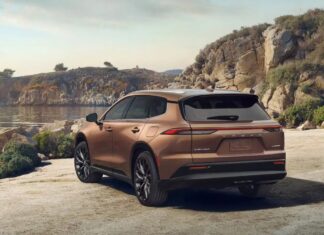
While Jeep debates its flagship identity, the Chevrolet Blazer is carving out its own niche. The nameplate has a storied history, but the current iteration is distinct. It is not just a badge exercise. It is a compact crossover that targets a different buyer than the Grand Wagoneer crowd.
The Blazer offers a more accessible entry point into Chevrolet’s SUV lineup. It prioritizes style and urban maneuverability over the sheer footprint of a Wagoneer. For buyers who want retro-inspired aesthetics without the premium price tag, it fills a specific void in the market.
This divergence highlights a broader trend. Automakers are segmenting their offerings more sharply. You no longer get one size fits all. You choose your lane.
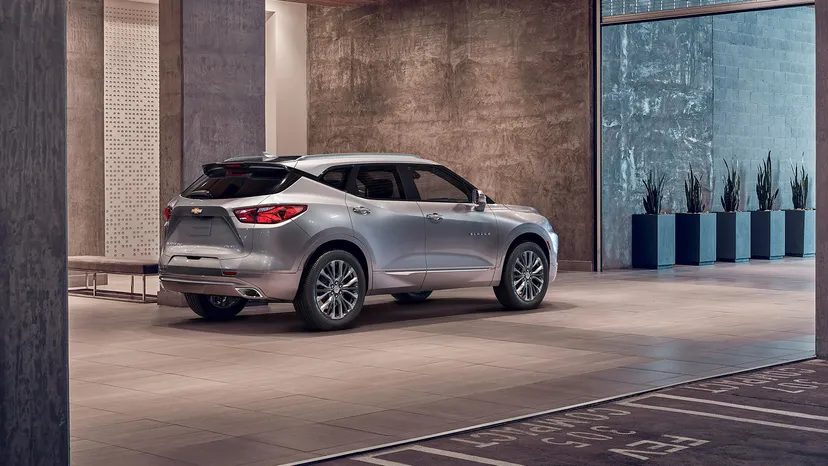
The Blazer Returns as a Crossover
The Chevy Blazer has roots in 1969. It arrived to fight the 1966 Bronco. Early models were off-road favorites. They were rugged. They were capable. Over time the Blazer softened. It became a mainstream midsize SUV.
Chevy brought the name back in 2018. The new model is different. It is not a truck-based SUV. It is a midsize crossover. The base engine is a four-cylinder. You can get a V6. Front-wheel drive is standard.
There is no true four-wheel-drive system. You can add all-wheel drive for light dirt roads. That is it. Chevrolet is selling nostalgia. It is not reviving a legend. It is selling a commuter car with a retro badge.
Ford Bronco Revival
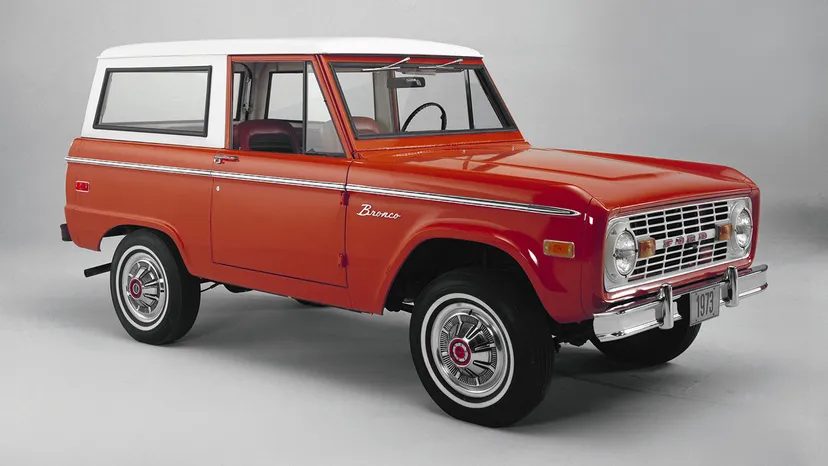
The Ford Bronco is coming back. The 2020 model year is the target. Ford showed a concept at the 2005 North American International Auto Show in Detroit. Rumors swirled for years. Official images are still missing.
Christopher Mosco knows the history. He was a marketing manager for the redesign. He says the response in 2005 was great. There was always interest at Ford. The Bronco holds a unique spot. It is a strong brand.
The team knows what the Bronco meant. It was a lifestyle product. It was a 4×4 mountain goat. It was a sports car for the dirt. SUVs drifted from that. Buyers want the roots back. They want the original meaning of the name.
The new Bronco looks boxy. It has an aggressive stance. It looks modern. It respects the past. What about performance? Ford has not said. Powertrain options are unknown.
Will Nostalgia Sell?
We will see when these cars hit dealerships. The Chevy Blazer. The Ford Bronco. The Jeep Grand Wagoneer.
Car culture in America has shifted. These models are not what they were. Nostalgia alone might not be enough. It will be interesting to see if modern engineering can save them.
That O.J. Factor
Ford had to address O.J. Simpson. Everyone thinks of the white Bronco chase. It is part of the legacy.
Mosco admits it. “Depending on the generation, you’re right, everyone thinks of a certain white Bronco,” he said.
Does it hurt the brand? Not really. It is just the first thing people think of. Newer buyers might not know the enthusiast history. They just know the chase.