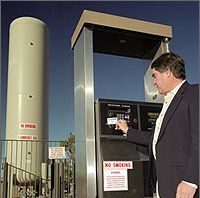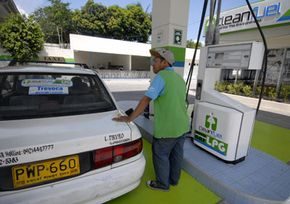
Liquefied petroleum gas, or LPG, isn’t just a niche alternative fuel. It is a global staple. In rural parts of the United States and across India, it is not an alternative to natural gas or propane tanks; it is the primary source of heat and cooking fuel. You know the smell. It is the scent of a backyard barbecue or a camping stove igniting in the wilderness. That is LPG.
It is versatile. It is efficient. And with heating bills climbing and gas pump prices skyrocketing, it is starting to look like a viable energy source for the average driver. We need to look at where this fuel comes from, how it powers vehicles, and the mechanics of converting your car to run on it.
Where Does LPG Come From?
The source of LPG is often misunderstood. It is not a standalone product found in the ground. It is a byproduct. Specifically, it is extracted during the processing of crude oil into gasoline and diesel. It is also produced as a byproduct of natural gas processing. The mixture typically contains propane and butane. These hydrocarbons are lighter than air. They vaporize quickly. This makes them easy to transport and store under pressure.
Why Drivers Are Switching to LPG
The economic argument is simple. LPG is often cheaper than conventional gasoline. It burns cleaner. This means less carbon monoxide and fewer particulate emissions. For fleets and individual owners alike, the cost savings add up. But it is not just about money. It is about energy independence. In many regions, LPG infrastructure is robust. It is reliable.
Converting Your Vehicle
Converting a car to run on LPG involves installing a dedicated fuel system. This includes a storage tank, usually placed in the spare tire well or trunk. A vaporizer replaces the carburetor or fuel injectors. It turns the liquid fuel into gas before it enters the engine. A selector switch allows the driver to toggle between gasoline and LPG. Some systems are bi-fuel, allowing both fuels to be used. Others are dedicated, running only on LPG. The latter often provides better performance because the engine can be tuned specifically for the fuel’s properties.
The Bottom Line
LPG is not a futuristic concept. It is here. It is proven. It is used daily by millions. The question is not if it works. The question is whether you are willing to adapt your vehicle to use it. The infrastructure exists. The technology is mature. The savings are real. What remains is the decision to make the switch.