Fiat has re-entered the competitive B-segment with the Grande Panda, a subcompact crossover that fills a gap in their lineup left open since the Punto’s departure in 2018. This isn’t a replacement for the existing Panda (now called the Pandina); instead, it’s a new, larger model positioned as a value-focused alternative to rivals like the Dacia Sandero Stepway and Citroen C3.
A Blend of Nostalgia and Modernity
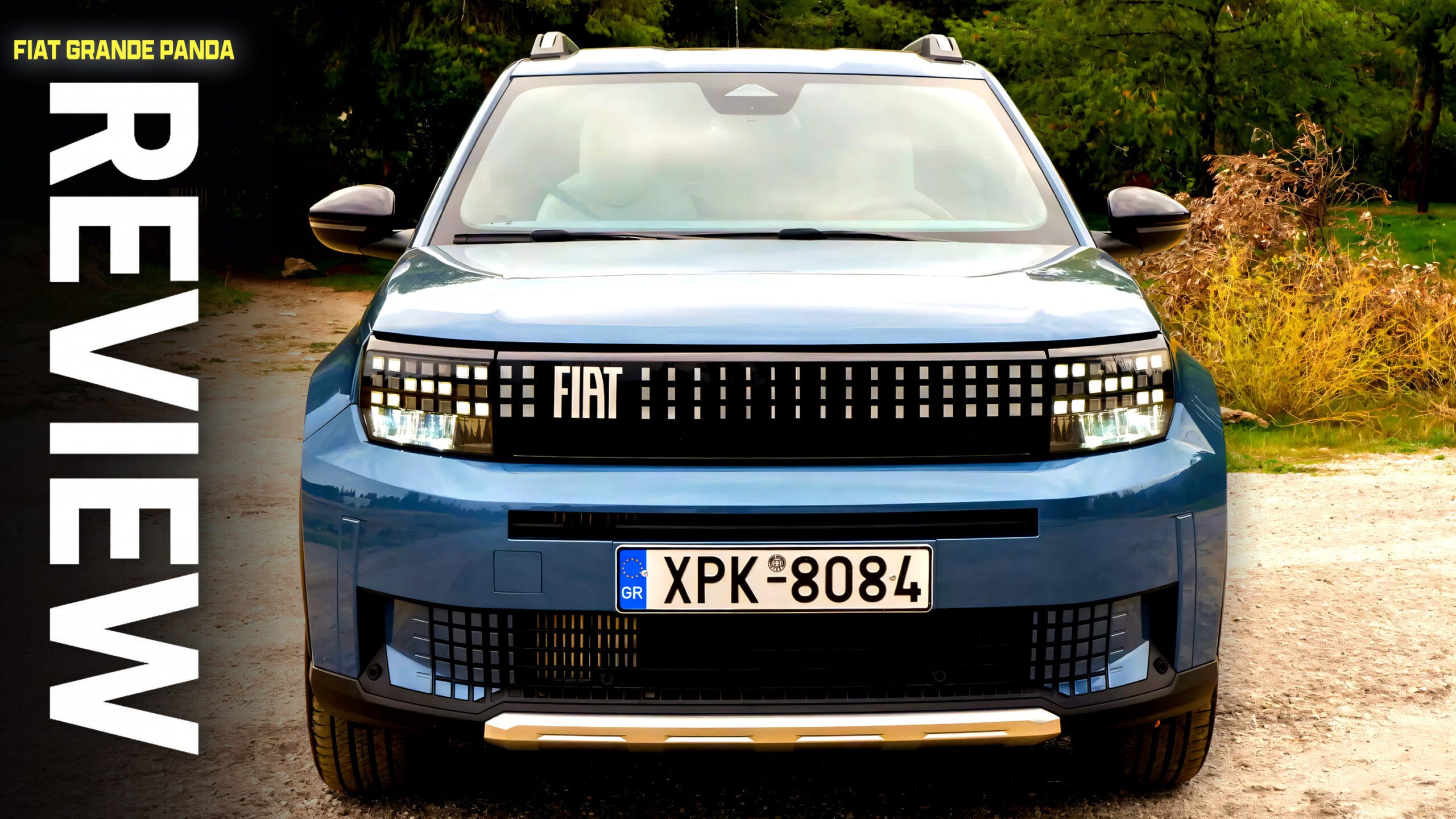
The Grande Panda’s design cleverly mixes retro elements with contemporary styling. Its boxy shape, raised ride height, and plastic cladding give it a crossover appearance, while subtle nods to the original 1980s Panda – pixelated LED lights, engraved badging, and the return of the classic striped Fiat logo – add charm. The car’s design is surprisingly effective at drawing attention, proving that strong styling can compensate for shared mechanical components.
Interior Charm on a Budget
Inside, the Grande Panda prioritizes practicality and visual appeal over premium materials. Most surfaces are hard plastic, though sustainably sourced, and Fiat uses color and trim effectively to brighten the cabin. The bamboo-fiber dashboard trim (exclusive to the La Prima trim) and the pill-shaped digital cockpit – a nod to Fiat’s Lingotto factory – add personality. While the glossy black plastic on the center console is a fingerprint magnet, the overall interior feels livable and well-thought-out for its price point.
Practicality and Space
Despite its sub-4-meter length, the Grande Panda offers decent space for four adults, with enough headroom and legroom for comfortable journeys. The 412-liter (14.5 cubic feet) boot is competitive for the segment, and the cabin includes multiple storage compartments.
On the Road: Comfortable and Agile
The Grande Panda rides on Stellantis’ Smart Car architecture, shared with the Citroen C3 and other budget-oriented models. The suspension provides a comfortable ride in urban environments, though it doesn’t feel as refined as more expensive competitors. The mild-hybrid 1.2-liter engine delivers adequate performance, with the electric motor filling in low-speed gaps. Fuel economy is improved compared to non-electrified versions, but not as significantly as a full hybrid.
Pricing and Competition
In Greece, the Grande Panda starts at €16,990 ($19,700) for the base model, making it one of the cheapest options in the B-segment. The mild-hybrid automatic starts at €21,077 ($24,500), while the fully-equipped La Prima trim costs €24,677 ($28,700). The electric version is priced at €28,877 ($33,600) before incentives.
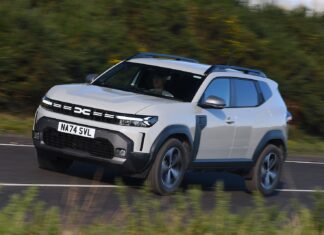
Rivals include the Dacia Sandero Stepway, Citroen C3, Seat Ibiza, Skoda Fabia, and Kia Stonic. The Citroen C3 Aircross and Dacia Duster offer more space and ruggedness at slightly higher price points.
Conclusion
The Fiat Grande Panda is a welcome addition to the European market, offering a compelling combination of affordability, practicality, and style. While it doesn’t redefine the segment, it stands out as a well-executed budget crossover that successfully carries Fiat’s brand identity. The mild-hybrid version provides a sweet spot between price and efficiency, making it a sensible choice for urban drivers.