Change is hard.
People hate it. They cling to the past until it burns down. But the motorcycle world didn’t get the memo on clinging. The industry shifted. Hard. Some segments exploded while others died quiet deaths. Supersport? That’s the ghost town. Or so we’re told.
The ’00s were a blur of marketing budgets and screaming inline-fours. Manufacturers threw money at 600cc bikes like confetti at a wedding. It was glamorous. It was loud. And then the coal miner’s canary died.
Emissions regulations killed the party. But honestly? Most riders were ready to leave anyway.
Think about it. These machines were beautiful sculptures that vibrated your teeth loose if you revved them below 5,000 RPM in second gear. Who rides like that in traffic? Nobody. The average motorist realized their “superbike” spent 95% of its life sitting in a driveway looking angry. Manufacturers panicked. They built something new. Something with torque you can use before noon. Something ergonomic enough that your lower back doesn’t sue you after an hour.
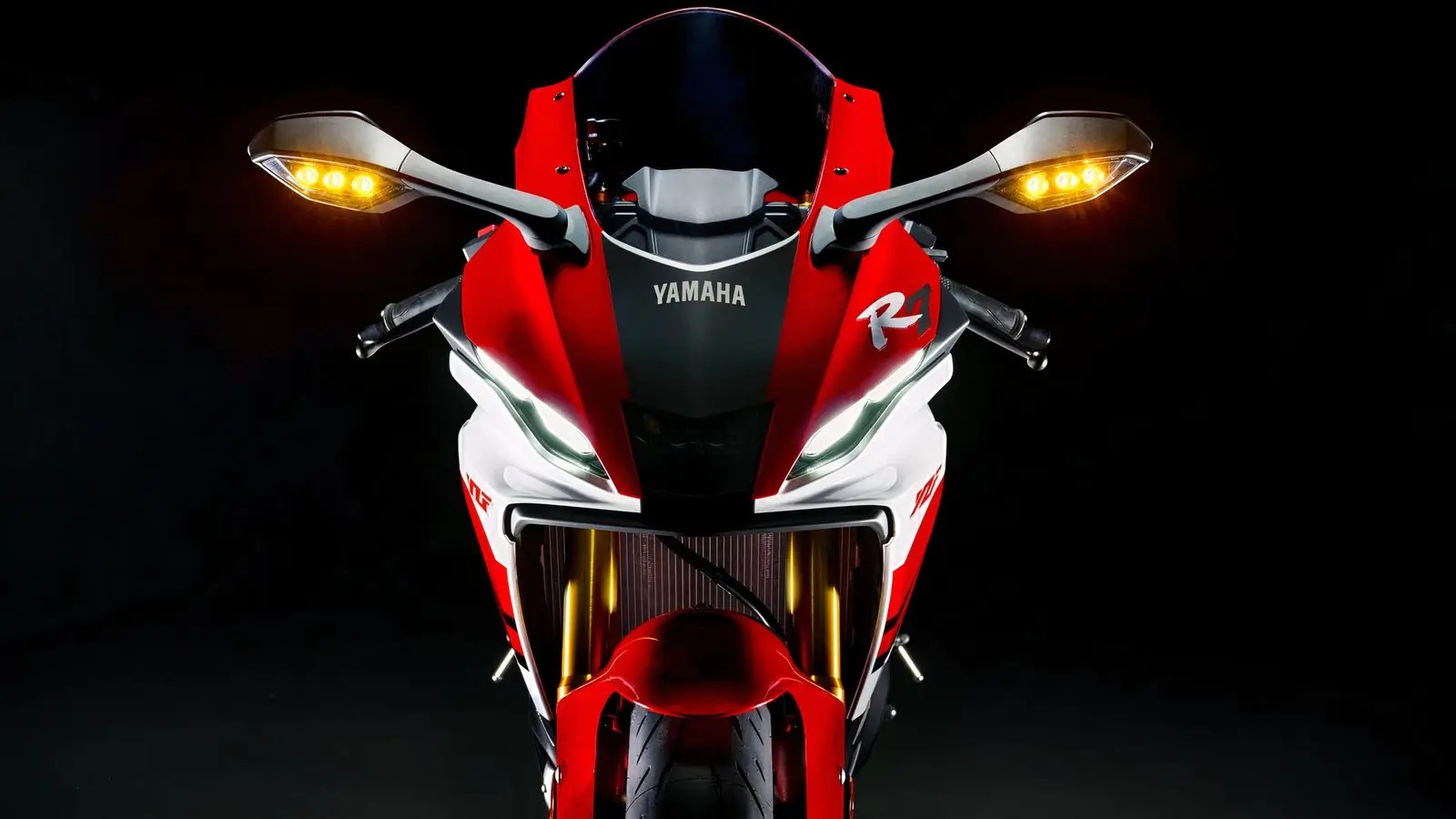
Enter the Yamaha YZF-R7.
Everyone hates it. Why? Bad timing. Worse branding.
Yamaha launched it right after killing the YZF-R6. The R6 was a legend. The last great 600cc screamer. Replacing it with a… twin-cylinder… felt like betrayal to purists. Plus, they reused the R7 nameplate. The original 90s R7 was a racing homologation special. A rocket. The new one? Not a rocket. Just a very fast motorcycle. Expectations were set sky high, then crashed into the pavement.
Stop looking at it through nostalgia glasses. Look at the machine.
It’s built on the CP2 crossplane parallel-twin. 72 horsepower. Sounds modest. Is it? No. The torque curve starts at 2,000 rpm. You twist the throttle, and the bike pulls. Hard. It’s not about redlining it into the next decade. It’s about acceleration you can feel at the light. It makes grown men giggle when they downshift around corners. Is it as fun at the track limit as the R6? Maybe not. But at the track limit, you’re probably breaking laws. Or physics.
“The CP2 is the antithesis of the old school. Torque is everywhere, not just at the ceiling.”
The suspension? Not Ohlins. Not Öhlins. KYB. Big deal. KYB has been building shocks forever. The front forks are 41mm, fully adjustable. The rear shock handles preload and rebound. Travel is down slightly—4.7 inches front, 4.8 rear. Stiffer. Lower. More aggressive geometry for public roads where apexes matter more than lap times.
Then came the tech update.
Last year, the R7 was the dumb kid in the sub-$10,000 class. No electronics. Barely a light.
This year? It’s loaded. An IMU (Inertial Measurement Unit). Lean-sensitive traction control. Cornering ABS. Cruise control. Quickshifter. Ride modes. A TFT display. It went from “basic” to “fully featured” overnight. And yet, the weight barely moved. Just three pounds heavier. Wet weight sits at 417 pounds. That’s light. For all this stuff? That’s impressive engineering.
Price starts at $9,399.
Think about that number. Ninety-nine hundred. For a fully kitted out sports bike? You can’t. You have to feel it.
Let’s compare it to the “real” sports bikes.
The Aprilia RS660. It’s faster. More handling prowess. Legendary suspension. But it costs $11,848 just to start. Add the Factory version for Ohlins and extra bling, you’re at $14,000. Then comes the Aprilia tax. Maintenance isn’t cheap. Ever.
The Ducati Panigale V2. Pure premium. $16,994 to begin. $20k for the S model with proper suspension. 120 HP. Beautiful frame. Beautiful pricing, if you like paying rent on your joy.
Both offer better straight-line speed. Both feel faster on Sunday afternoons at the circuit.
But value? The R7 laughs at value.
The RS660 wants more. The Ducati demands more. The R7 asks for nothing. The CP2 engine is bulletproof. Known for it. Parts are cheap. Mechanics like working on Yamsas (yes, that’s a term, don’t start). It’s the sensible choice disguised as a sportbike.
Is it the same as the Honda CB650R? No, Honda leans too hard into cruiser-comfort. The Kawasaki Ninja 650? Too mild. The Suzuki GSX-8S? Trying to be retro. The MV Agusta F3 or Kawasaki ZX-6R? Chasing horsepower that nobody uses on Tuesday mornings.
The R7 sits in the grey zone.
It’s comfortable enough for the commute. Sharp enough to carve canyons. Tech-savvy enough to keep you safe when you get stupid. Affordable enough that a cracked headlight won’t end your financial life.
Maybe it isn’t the soulmate for the guy who wears leathers to buy groceries. Maybe it disappoints the track day enthusiast looking for four-cylinder scream.
But is it any less real?
The new color, Breaker Cyan, brings back some 90s flash without the acne. And the 70th Anniversary Edition adds another $300, but it mimics the old race livery so perfectly it hurts to look away. It’s not just paint. It’s nostalgia wrapped in modern reliability.
You pay for the image elsewhere. Here, you pay for the bike.
What’s wrong with that?