Things got complicated for tuners. Then they got complicated again. For years, the rule was simple: mess with emissions, get federal heat. Hardware, software, doesn’t matter. The government had your name on a list before you even hit the road. Then, earlier this year. The Trump administration blinked. They said they’d stop pressing criminal charges for defeat devices. A shift in wind. Or so it seemed. Now the ground is shifting under our feet again.
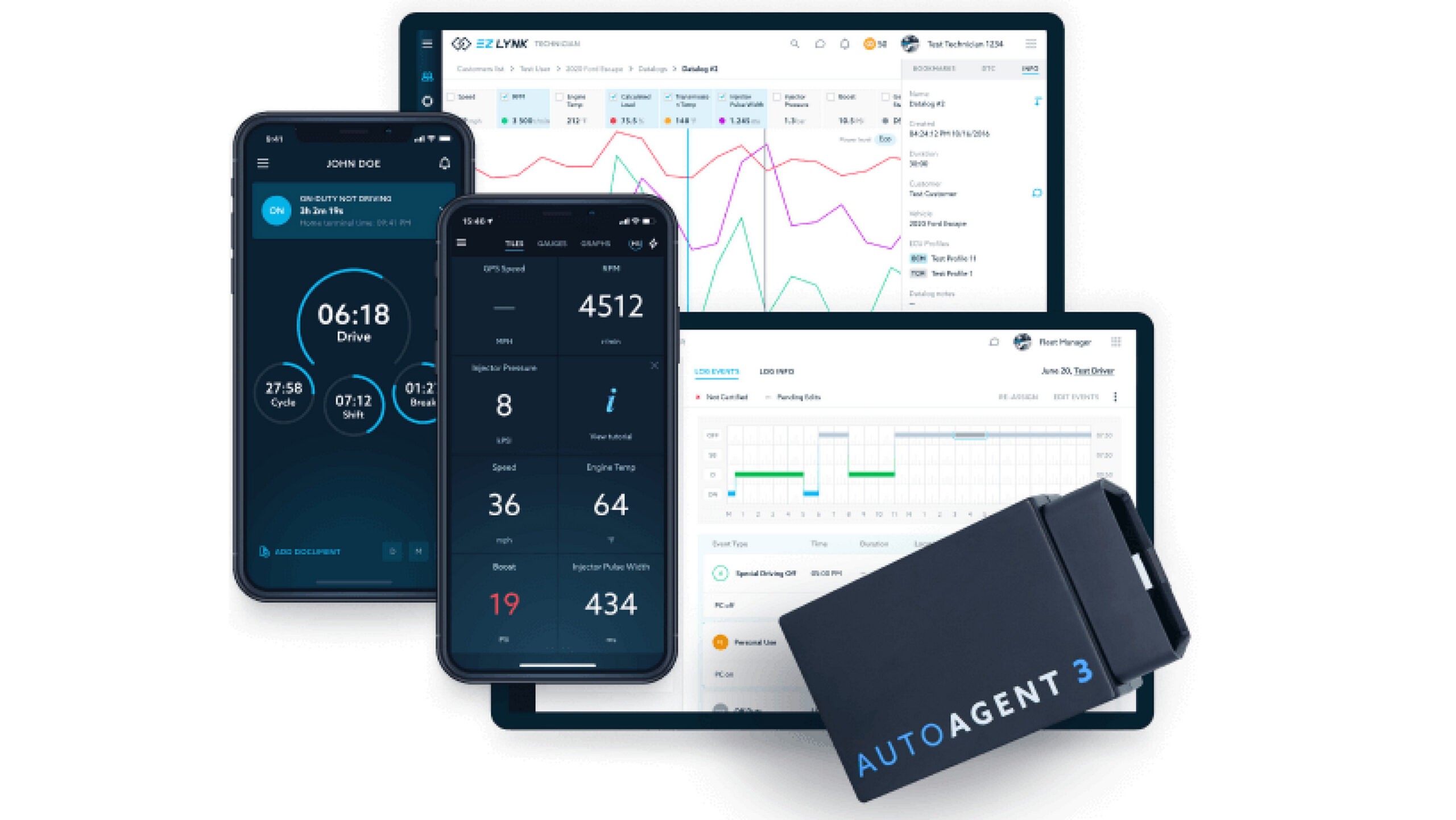
The Department of Justice isn’t waiting. Forbes reports the DOJ is chasing down customer data tied to EZ Lynk. This Cayman Islands company is currently tangled in a Clean Air Act lawsuit that won’t die. Prosecutors aren’t just knocking on EZ Lynk’s door, either. They handed subpoenas to Apple and Google. They want the names, emails, and details of anyone who downloaded EZ Lynk’s Auto Agent app. Amazon and Walmart? They got requests too, presumably tied to hardware sales. And no. We aren’t talking about a few stragglers. We are looking at upwards of 100,000 user records.
That’s a lot of privacy on the line for one app.
Here is the thing though. The allegation against EZ Lynk isn’t even about the code directly breaking emissions. It’s more… structural. The app didn’t hand out big red buttons labeled “dump fuel everywhere” or “disable catalysts.” Not really. It was a hub. A platform. Users plugged an OBDII dongle into their cars. Suddenly. They could see vitals. Monitor functions. Watch their engines breathe.
But the app also let shops talk to owners.
So the flow looked like this: You own the car. You plug in the dongle. Your tuner—some genius in a garage across the country—sends a tune. You receive it. You install it. Digital paper trail. It is exactly what hundreds of independent tuners do every single day in the U.S., except they do it over coffee with the customer in the room. No logs. No digital ghost. Just grease and trust. Until now.
Investigating this claim does not require identifying the each person who has used the.
The DOJ argues EZ Lynk built a house meant specifically for illegal deletes. EZ Lynk argues they built a toolbox that just happens to have a hammer you could use for bad things. Or good diagnostics. Or monitoring. EZ Lynk claims Apple and Google plan to fight this demand in court. Walmart stayed quiet. The lawyers for EZ Lynk made that point about not needing to identify every user. Smart. Clean. Too bad it probably won’t stop the subpoena.
Why does this matter?
Remember January. The current administration explicitly stated they would stop prosecuting criminal cases for software tampering. The DOJ even ordered existing criminal cases to drop. A clear line in the sand. But look closely at what is happening here. This isn’t a criminal case. At least. Not yet. That loophole is wide open. The government can bypass the criminal stay and hit EZ Lynk with massive civil penalties instead. They can argue negligence. They can argue facilitating illegal acts.
But to build that civil case, they need bodies. Or at least. Emails. Phone numbers. Proof of scale.
They want that private data to prove a point they might not even need to prove in criminal court anymore. The gray area isn’t just growing. It is being mapped out. In excruciating detail. And 100,00 drivers are standing right in the middle of it, waiting to see if their hobby is worth the price of a government subpoena.
Who wins that round? Hard to say.