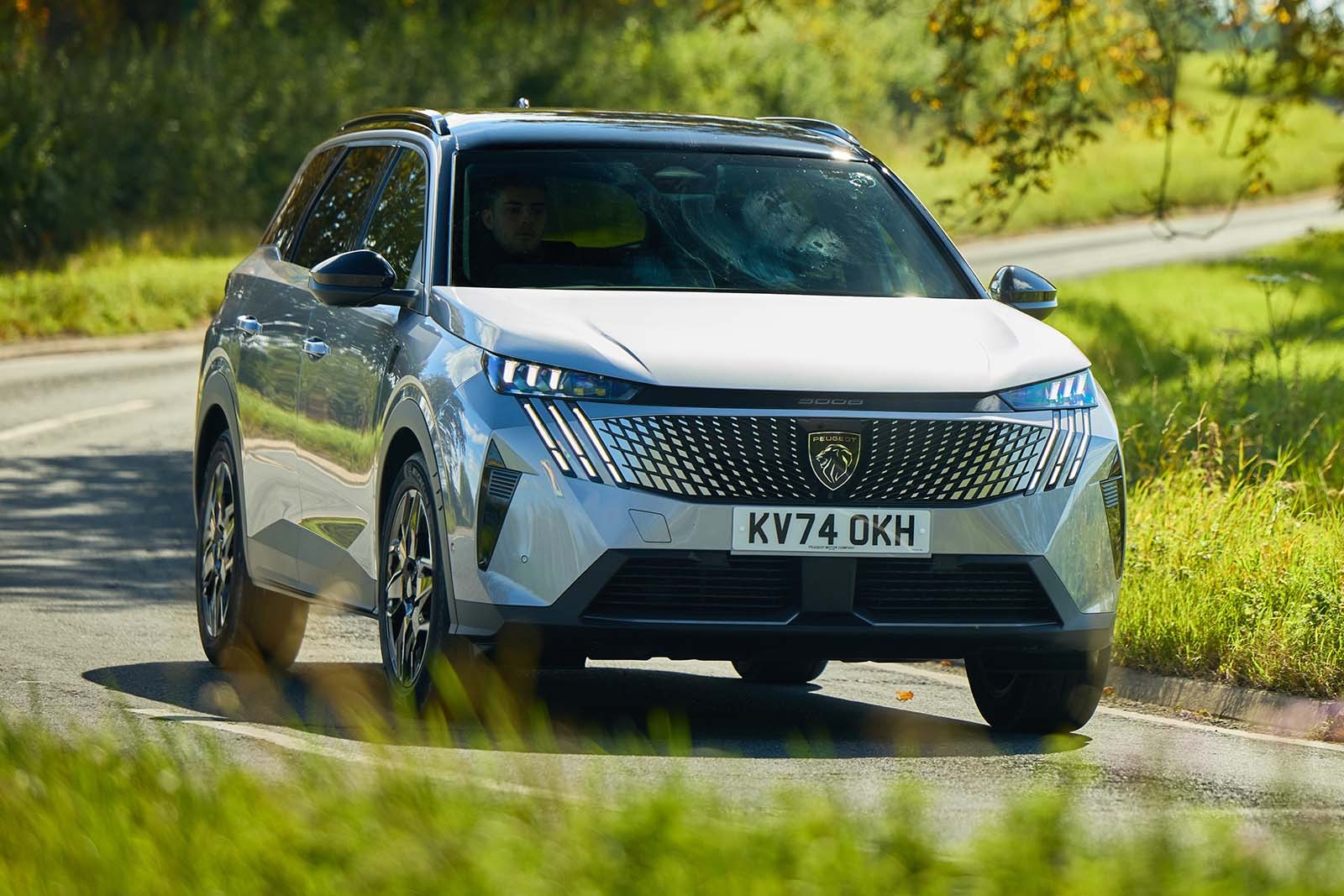
Peugeot is evaluating the possibility of introducing a new vehicle positioned above its current top-tier model, the 5008. However, executives acknowledge that such a move would require a truly distinct offering to compete effectively in a crowded market dominated by established premium brands.
Challenges in the Upper Segment
Alain Favey, Peugeot’s head, explained that a new flagship must avoid the fate of the discontinued 508, which struggled against rivals like the Audi A4 and BMW 3 Series despite being a “credible” vehicle. The core problem? Premium brands already own significant market share in this segment. Peugeot’s brand recognition isn’t yet strong enough to easily displace them.
Leveraging Stellantis Resources
The firm isn’t ruling out using the broader Stellantis portfolio to make it happen. Favey admitted, “I don’t know” what form this new model would take but confirmed that Peugeot could leverage existing components and platforms. This is a smart strategy: developing a completely new car from scratch is expensive and risky. Instead, repurposing proven technology lowers costs and speeds development.
Avoiding Brand Dilution
A major concern is overloading the Peugeot lineup. Favey pointed out the difficulty in effectively marketing all models, citing the 408 as an example of a great car that didn’t receive enough attention. The question is whether a new flagship would simply get lost among existing offerings.
Focus on Core Strengths
Given these challenges, Peugeot is hesitant. Favey questioned whether it’s more pragmatic to concentrate on the B- and C-segments, where the brand already performs well. Launching a new flagship would be appealing, but not at the expense of core models.
Ultimately, Peugeot is weighing the potential rewards of a new premium vehicle against the risks of brand dilution and marketing inefficiency. The decision will depend on whether the firm can identify a unique position for the car in a competitive landscape.