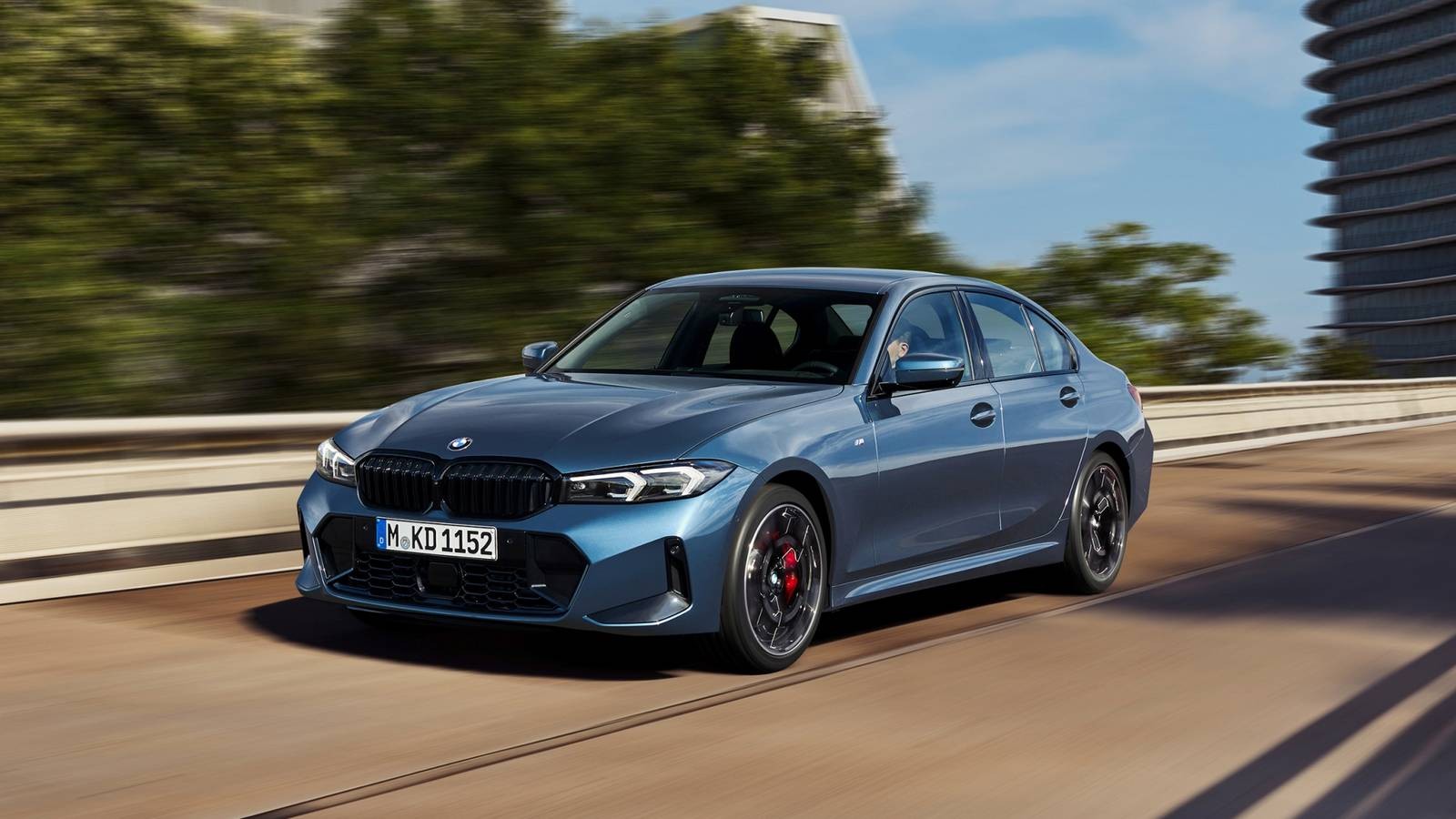
In an era defined by rapid electrification and a shift toward massive, screen-heavy electric vehicles, the traditional internal combustion engine (ICE) sedan is becoming a rarity. Yet, even as the automotive landscape undergoes a seismic shift, the BMW 3 Series continues to hold its ground. Specifically, the 330i —the entry-level powerhouse of the lineup—remains perhaps the most balanced offering in the compact luxury segment.
While high-performance models like the M3 grab the headlines, the 330i occupies a “sweet spot” where pricing, daily usability, and driving engagement intersect.
A Competitive Landscape in Flux
To understand why the 330i remains relevant, one must look at the identity crises currently affecting its primary rivals. While BMW has focused on refining its core DNA, its competitors appear to be drifting in different directions:
- Mercedes-Benz C-Class: Historically a rival in sportiness, the modern C-Class has leaned heavily into the “mini S-Class” identity. While luxurious, its chassis tuning often struggles to balance comfort with agility, resulting in a vehicle that feels neither purely sporty nor perfectly relaxed.
- Audi A4: Audi’s lineup has faced recent structural shifts and naming complexities (such as the transition of the A4 lineage toward the A5), leaving the compact sedan segment feeling somewhat unsettled.
- Lexus IS: While highly reliable, the IS is aging. Despite recent facelifts, it relies on a platform that has been in service for over a decade, making it feel less technologically “fresh” than its German counterparts.
- The Outsiders: The Cadillac CT5 offers competitive pricing but lacks the premium interior refinement of the BMW, while the Genesis G70 remains a high-quality contender that often takes a backseat to Genesis’s higher-volume models.
The Anatomy of the 330i: Precision Meets Efficiency
The enduring appeal of the 330i lies in its mechanical synergy. BMW has mastered the art of combining a responsive engine with a sophisticated drivetrain.
The B48 and ZF Partnership
The heart of the 330i is the B48 2.0-liter turbocharged four-cylinder engine. Derived from the legendary B58 inline-six, the B48 offers linear power delivery and a lively character that belies its four-cylinder configuration. This engine is paired with the ZF eight-speed automatic transmission, widely regarded as one of the finest gearboxes in the industry for its seamless shifts and intelligence.
Refined Dynamics
Unlike many modern cars that sacrifice feel for software, the 330i maintains exceptional chassis tuning. While advanced driver-assistance systems (ADAS) have slightly dulled the steering feel compared to older generations, the 330i remains one of the sharpest-handling cars in its class. For those seeking a “no-compromise” setup, the Adaptive M Suspension allows the car to pivot between a firm, engaging handler and a comfortable daily driver.
Modernity Through Technology
BMW has embraced the trend toward digitalization with the iDrive 8.5 system. While the reduction of physical buttons remains a polarizing topic among enthusiasts, the dual-screen interface offers immense customization. Furthermore, the integration of 48-volt mild-hybrid technology has bridged the gap between performance and environmental responsibility, boosting fuel efficiency (up to 31 MPG for the RWD version) without sacrificing the 0–60 mph sprint of 5.6 seconds.
Looking Ahead: The Dual Path of the 3 Series
As we move deeper into the 2020s, BMW is preparing for a two-pronged future to satisfy both the EV enthusiast and the traditionalist.
- The Electric Evolution (i3): The upcoming BMW i3 (part of the Neue Klasse family) will bring the 3 Series into the fully electric era. Featuring the “Heart of Joy” control module, the i3 aims to translate BMW’s signature driving dynamics into a digital, electric format, with high-performance variants expected to deliver blistering acceleration.
- The ICE Legacy (G50): For those who aren’t ready to plug in, the next generation of gas-powered 3 Series (codenamed G50 ) is already in development. This model will retain the traditional proportions and functional aesthetics of a combustion engine vehicle while inheriting much of the modern tech from the electric lineage.
The BMW 330i succeeds because it refuses to choose between being a practical luxury car and a spirited driver’s tool; it remains one of the few vehicles that excels at both.
Conclusion: By maintaining its core driving dynamics while strategically integrating hybrid technology and advanced software, the BMW 330i remains the definitive benchmark for the compact luxury sports sedan.