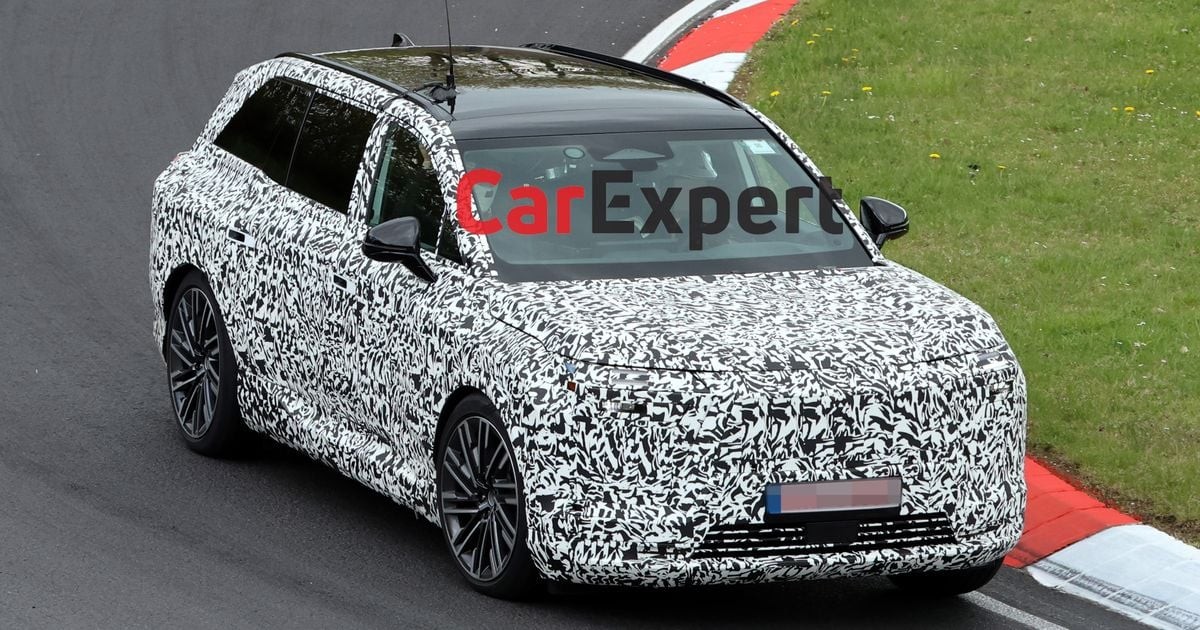
Lexus is expanding its electric footprint with a new, large three-row electric SUV currently undergoing testing. Spotted at the Nürburgring, the upcoming model—expected to carry the TZ nameplate —is positioned to compete in the growing, yet relatively underserved, luxury large-EV segment.
A Strategic Move into the Three-Row EV Market
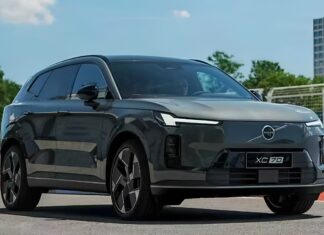
While large seven-seat SUVs are a staple of the luxury combustion engine market, the transition to electric power has seen a gap in this specific category. Lexus aims to fill this void, targeting premium competitors such as the Cadillac Vistiq and the Volvo EX90.
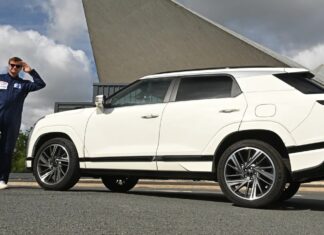
This move follows a long development cycle that began in 2021 with the unveiling of the Lexus Electrified SUV and Toyota bZ Large SUV concepts. Recent sightings suggest the production model will closely mirror the design language of the Lexus Electrified concept, maintaining the brand’s distinct premium aesthetic.
Technical Specifications and Potential Powertrains
While official details remain unconfirmed, technical reports and recent trademark filings provide a clearer picture of what to expect from the TZ series:
- Dimensions: The vehicle is expected to measure approximately 5,100mm in length and 1,995mm in width, with a 3,050mm wheelbase. This makes it slightly longer than the upcoming Toyota Highlander EV.
- Battery and Power: Early reports suggest a 74kWh battery paired with a dual-motor all-wheel-drive powertrain.
- Platform Heritage: The TZ may utilize powertrains derived from either the smaller Lexus RZ or the Toyota Highlander EV/Subaru Getaway platform.
For context, the current Lexus RZ offers variants ranging from 280kW to 313kW, with battery capacities between 74.7kWh and 77kWh. The new TZ is expected to sit in a similar performance bracket but scaled for a larger, heavier chassis.
Global Availability and Market Implications
The manufacturing origin of the vehicle plays a crucial role in its global availability. Reports indicate the Lexus will be produced in Japan, which significantly increases the likelihood of a right-hand drive (RHD) version being available for markets like Australia and the UK. This contrasts with the US-built Toyota Highlander EV, which has yet to confirm RHD production.
The competitive landscape for this vehicle is already set, with high-end pricing expected:
– Cadillac Vistiq: Expected to launch with a single, high-spec Platinum trim.
– Volvo EX90: Positioned as a premium seven-seat contender.
The entry of a large Lexus electric SUV marks a significant step in the brand’s transition toward full electrification, targeting families who refuse to compromise on space or luxury in the EV era.
Conclusion
Lexus is positioning its upcoming TZ electric SUV to capture a high-end niche of large, multi-passenger EVs. By leveraging Toyota’s scale and Japanese manufacturing, the brand aims to challenge established luxury players in a rapidly evolving market.