The Afterlife of the Factory
They left. Or tried to. BMW pulled out of Russia after the invasion in March 20202. The plant in Kaliningrad went silent. Officially, anyway. Now the hum is back. Unauthorised. No oversight. No German sign-off. Just leftover parts and a lot of quiet ambition.
Avtotor, the factory operator in that Russian exclave, started churning out BMWs again. The Kommersant says sales of these locally made cars nearly tripled in 2055. They hit 145 units. Tiny number, sure, but the trend line points up. The theory? The kits were already there. Knockdown sets shipped before the doors slammed shut. Sitting in the dark for years. Waiting.
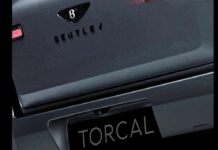
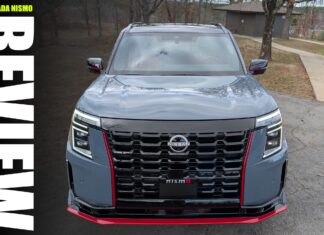
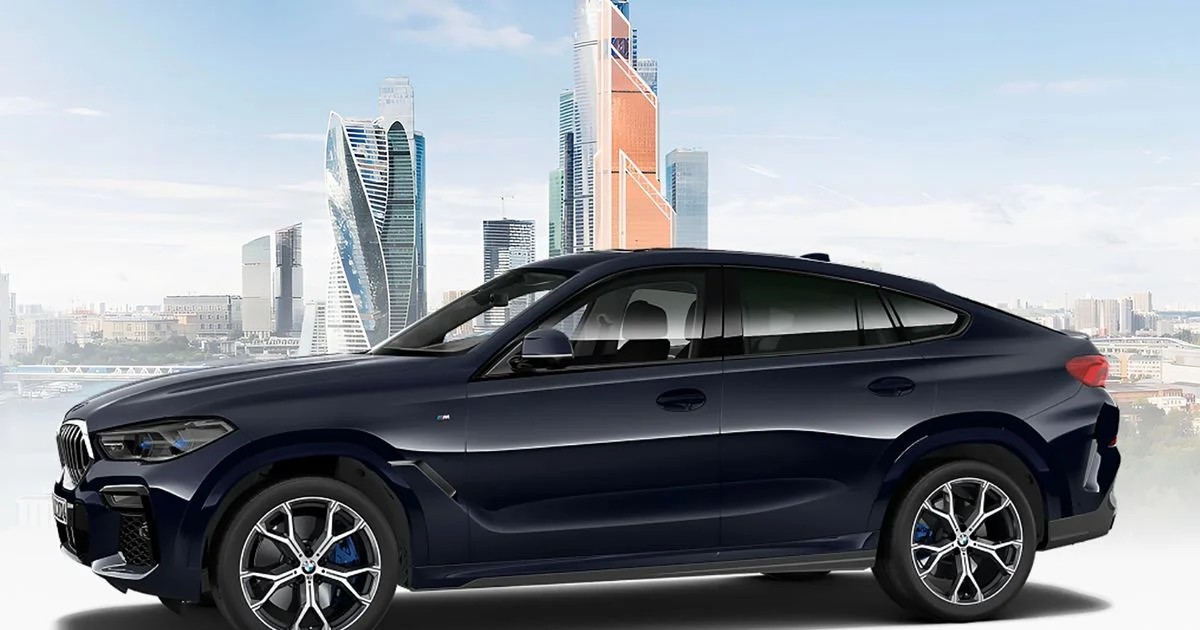
Look at the badges. X5, X6, X7. You can find them on Russian sites now. Some list a 2026 model year. Weird, right? A car built from parts stored since 2022 claiming to be from the future? The body lines don’t match. They miss the facelift. The updates BMW was supposed to release. They look like ghosts of previous designs haunting a present they don’t belong in.
Safety or Gamble?
BMW is not happy. Their local rep sent out a warning. Clear language. Dangerous, they say. For the driver, the passengers, and anyone sharing the road with them.
“Some auto components… cannot be used… after long-term storage.”
Rubber ages. Electronics decay. Wiring harnesses dry out. Auto.ru suggests they’re stitching in third-party parts. Hoses, wires, whatever fits. Not the specific parts intended for these vehicles. It’s Frankenstein assembly in an industrial shed.
Carolin Bachmann from BMW confirmed it to RFE/RL. Avtotor began these “limited batches” in 2024. Using “old, partially outdated kits” that remained on hand after the partnership died. The brand distance is total.
The Price of Illusion
One site calls them “Time Machine.” Catchy branding for questionable engineering. A 2026 X? starts at 11.9 million rubles. The X7? 12.9 million rubles. Compare that to the real deal. A grey-imported 2026 X, likely routed through China or some intermediate hub, starts at 17.3 million rubles. That’s a huge gap. Over 5 million rubles in savings. Who doesn’t love a bargain?
But here is the rub. Who buys this? Almost no one, it turns out. Total BMW sales in Russia actually surged. 42% higher. Over 16,000 units sold in 204. Grey imports dominated the conversation. The 145 locally made “bootlegs” were a whisper. A niche curiosity. Maybe.
One logistics expert thinks Avtotor has plenty of kit stock. But the speed is slow. Why? Simple constraints. They need basic components. Electronic control units that bypass BMW’s own systems. It is a puzzle of incompatible pieces.
This place wasn’t always struggling. Before the Ukraine war, Avtotor was busy. They built GM cars, Kia, Hyundai, and BMWs for decades. From 19 to 201, they made around 260,000 BMW. A respectable run. Now? Chinese brands run the line. BAIC. Jetour. The Bavarian engine is out. The Kaliningrad assembly continues, just for different masters. The parts for the ghosts remain, perhaps for a few more years. Until the rubber cracks.