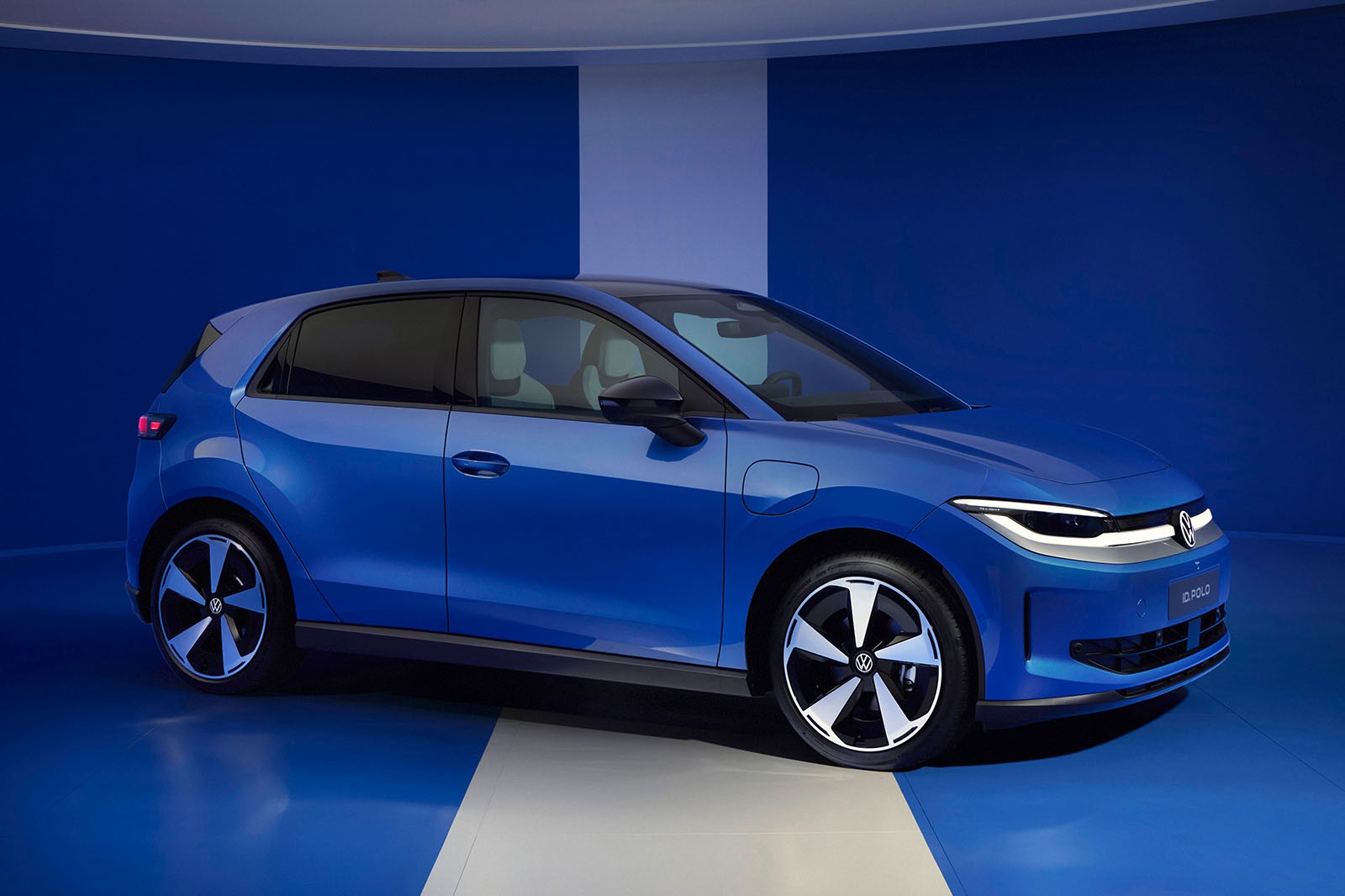
Volkswagen is preparing to launch the ID Polo, a highly anticipated electric hatchback designed to bring much-needed affordability to the brand’s electric vehicle (EV) lineup. With a European starting price of €24,995 (approximately £21,700), the model represents a critical attempt by the German automaker to capture the rapidly expanding B-segment electric market.
A New Era of Design and Identity
The ID Polo marks a significant shift in Volkswagen’s electrification strategy. Moving away from the alphanumeric naming convention used since the ID 3 debuted in 2019, the company is reviving its most iconic nameplates for the electric age.
This decision is deeply strategic. As CEO Thomas Schäfer has noted, names like Polo and Golf carry immense brand equity, signaling heritage and reliability to consumers. By rebranding, Volkswagen aims to bridge the gap between its traditional petrol-powered legacy and its electric future, making the transition feel more natural for existing customers.
Key aspects of this new direction include:
– Familiarity: The ID Polo will exist alongside the traditional petrol Polo, treated as “siblings” rather than entirely different entities.
– Design Language: Under the leadership of design chief Andreas Mindt, the ID Polo adopts a new aesthetic that brings EVs closer to the look and feel of Volkswagen’s classic internal combustion models.
– Platform Evolution: Built on the new MEB Plus platform, the car aims to maximize interior space despite its compact exterior.
Competitive Positioning and Market Trends
The arrival of the ID Polo is a direct response to a growing trend in the automotive industry: the race for the “entry-level” electric car. As early adopters move toward more premium models, manufacturers are now fighting for the mass market with sub-£25,000 vehicles.
The ID Polo faces stiff competition from several key rivals:
– Renault 5: A direct competitor with a similar price point (starting from approx. £21,495).
– Fiat Grande Panda: A slightly more budget-friendly option (starting from approx. £20,995).
To win this battle, Volkswagen is focusing on practicality and utility. Despite being nearly identical in size to the petrol Polo, the ID Polo’s electric architecture allows for a much more efficient use of space. Technology chief Kai Grunitz highlighted a massive 441-litre boot capacity, aided by a deep under-floor storage area designed to accommodate items like strollers—a feature often missing in smaller electric cars.
The Broader Volkswagen Roadmap
The ID Polo is not an isolated release; it is the second of four planned entry-level EVs that will be unveiled in quick succession. This rollout is part of a massive reinvention of the Volkswagen Group’s EV portfolio.
The upcoming lineup includes:
1. Cupra Raval (already announced)
2. Volkswagen ID Polo (launching this summer)
3. Volkswagen ID Cross (expected later this year)
4. Skoda Epiq (crossover model)
All four models will be manufactured at Seat’s Martorell plant in Spain, signaling a centralized, high-efficiency production strategy for the Group’s most important upcoming models.
The ID Polo is more than just a new car; it is the first step in a broader strategy to make electric mobility accessible, practical, and recognizable through trusted brand names.
Conclusion
By combining iconic branding with high-utility design, Volkswagen is positioning the ID Polo as a cornerstone of its mass-market electric strategy. Its success will likely determine how effectively the brand can compete with agile European rivals in the increasingly crowded affordable EV segment.