The goal is audacious. BYD wants to be the biggest automaker on the planet. Not maybe. Not eventually. In five years. And it doesn’t care if you sell them a car.
Specifically? The United States.
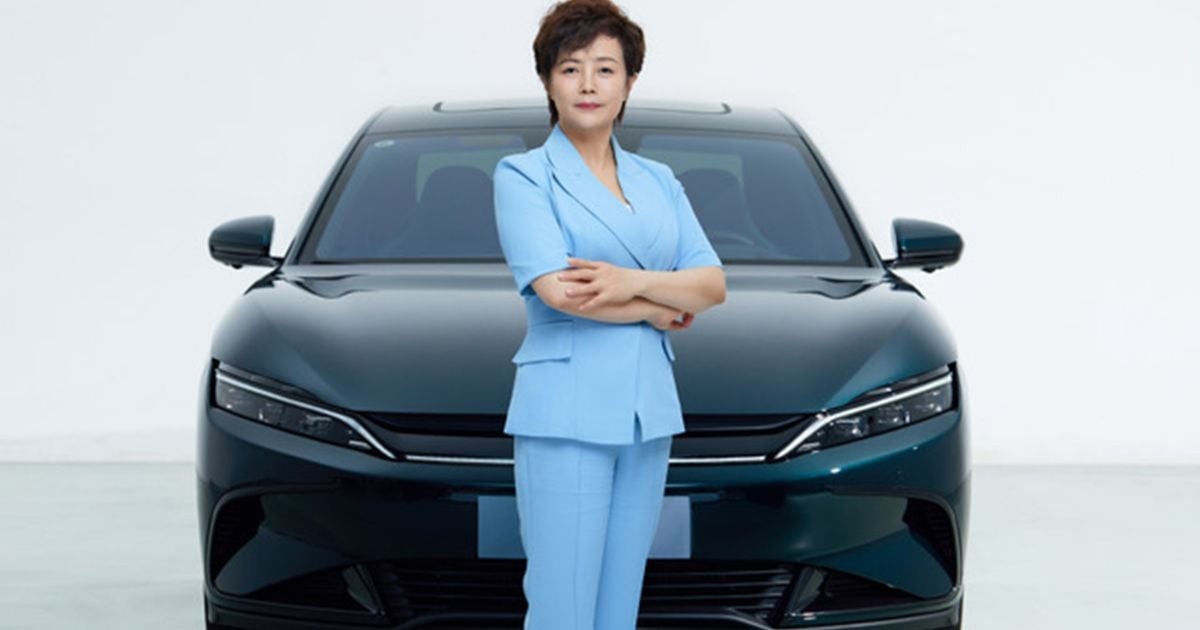
Stella Li, head of BYD’s international operations, laid this out clearly in a recent talk with the Financial Times. The Chinese giant can beat Toyota without touching the American market. At all.
It’s a bold stance. Right now, BYD is selling about half as many vehicles as its Japanese rival. BYD moved 4.5 million units last year. Toyota sold 10.5 million there is a huge gap.
“We don’t need the US market to achieve [overtaking Toyota],” Ms. Li said. “We can do it with our own organic growth.”
Can BYD beat Toyota without selling in the US?
This is the question everyone is asking. And the answer hinges on one word: organic.
Li is saying they won’t buy their way to the top. No massive acquisitions to pad the numbers. No merging with other giants. Just pure sales growth.
This rules out rumors suggesting BYD might acquire the struggling Volkswagen Group. Those whispers? Unlikely. Li emphasized internal expansion, not external conquest.
So, why does skipping the US make sense? Because trade walls are real. High. Imposed by tariffs, national security fears, and political posturing.
The US banned connected Chinese vehicles effectively cutting BYD off from the world’s largest new-vehicle market (outside of China). In 2025, more than 16 million new cars changed hands there. Europe? About 13 million. Australia? A record 1.244 million.
If BYD ignores the 16 million and dominates the 13, plus captures chunks of every other emerging market? The math starts working.
The Global Sales Gap: 2025 vs. 2026 Reality
Numbers tell a story of divergence.
In 2025:
– Toyota : 10.5 million units.
– BYD : 4.5 million units.
Fast forward to the first half of 206. Things get messier. Data for full-year competitors is still patchy. But here is what we know.
Toyota reported selling 4.46 million cars between January 1 and May 26 alone. That is a 3.1% drop year-on-year. They remain the global leader ahead of Volkswagen and Hyundai.
BYD? They shipped 1.8 million “new energy” vehicles globally in H1 26. But look at the exports. A record 792,000 went overseas.
That export surge is the engine. Domestic Chinese growth is slowing. BYD has to go global to survive its own momentum.
The rise of Chinese brands is pressuring Toyota’s pricing power. Even while selling more, Tokyo’s giant sees its margins squeezed in key regions.
Why Is the US Banning Chinese EVs?
It isn’t just economics. It is security. Or so the narrative goes.
US politicians cite national security concerns about “connected” vehicles. The fear? Data theft. Backdoors. Cyber espionage.
In July 26, the US Congress introduced the Protecting America from Chinese Cars Act. If it passes, any vehicle made by or owned by companies linked to “adversarial nations” is banned.
It is a reversal. China once forced foreign carmakers to build joint ventures. Now the US is forcing a hard border.
The irony? Canada decided to allow 49,040 Chinese-built cars a year, taxed at just 6.1%. A tiny leak in the wall.
The first shipment of ~3,000 cars arrived in May 2. Tesla. Polestar. Volvo. Brands with Chinese ties or ownership (Geely owns Volvo).
Wait. Polestar is banned in the US too? Yes. June 2. Despite having a US factory. Ownership trumps location.
Is Australia The Key Battleground?
Australia is becoming the litmus test for this new world order.
Free-trade deals exist with China, Japan, Thailand, and the EU (pending late 2). It is an open arena. No heavy tariffs distorting the play.
And there? BYD is hunting Toyota.
In June 26, BYD missed overtaking Toyota by a mere 243 sales. Less than four years after launching volume models, the Chinese brand is nearly king of the Hill.
They entered via EVDirect, an independent distributor whose founder predicted BYD would be #1 by 2.7. Ambitious? Perhaps.
When asked if they could beat Toyota down under, BYD VP Liu Xueliang kept it grounded: “Whether we can surpass Toyota in Australia Ultimately depends on Australian consumers.”
For now? BYD targets a top-three finish this year. A foot in the door. Then kick it open.
Who Wins If Toyota Loses Its Crown?
Volkswagen is tired. Closures. Job cuts. Restructuring. They hit the 10 million mark first over a decade ago. Now they are digging out of a hole.
Toyota reclaimed the crown in 220 after Volkswagen’s slump. It held it with the strength of Lexus, Daihatsu, and Hino. But the wind is shifting.
Chinese EVs are cheap. Advanced. And everywhere.
If BYD keeps this organic growth streak—ignoring the US blockade, flooding Europe, dominating Asia, and creeping up in Australia—the gap closes. Fast.
Will five years be enough? Maybe. Maybe not.
But one thing is certain. The old map no longer applies. Toyota doesn’t need to look at Detroit to worry. They need to look east.
And west. Toward Australia. Toward Canada. Anywhere the doors are still slightly ajar.