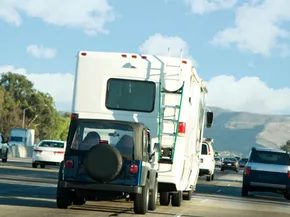
RVers keep hitting the road despite sky-high fuel costs. The freedom is real. You cook your own meals, sleep where you park, and move at a pace that ignores the highway speed limit. But the magic dies the moment you pull into a crowded city. A 30-foot trailer makes navigating downtown streets or tight parking lots a logistical nightmare.
This is why the “dinghy” exists. Towing a separate car behind the motorhome solves the mobility gap. You park the big rig and roll off to the grocery store, the museum, or the scenic overlook. It saves significant fuel on short excursions compared to running the RV’s diesel engine.
Traditional towing gear often falls short. Flatbed trailers are heavy, expensive, and take up storage space you don’t have. Enter the self-aligning car-mounted tow bar. These systems hook the towed vehicle to the RV while keeping all four wheels on the pavement.
The mechanics are specific. You drive the RV and the car close together. The bar system then physically moves into alignment on its own. No manual coupling dance required. Because the hardware mounts directly to the towed car, the advantages and trade-offs differ sharply from hitch-based systems.
How Self-Aligning Systems Hook Up Without Manual Labor
The primary benefit is speed. Traditional tow bars require precise positioning and manual adjustments to clamp the vehicle. Self-aligning units automate this. The car-mounted design means the receiver stays with the towed vehicle. When you separate them for a quick trip, the car is ready to go immediately. When you return, the alignment process handles the final positioning.
This reduces the physical strain of coupling. It also minimizes the time spent at the campsite. Less time fiddling with bars means more time enjoying the view.
Which Vehicles Benefit Most From Car-Mounted Towing?
Not every car is a candidate. Front-wheel-drive sedans are the sweet spot. They handle towing stress well and fit the weight distribution required for this setup. Rear-wheel-drive vehicles, especially older models, often struggle with the sustained pulling force.
The car-mounted aspect adds a layer of convenience. The tow bar doesn’t hang off the back of the RV like a trailer hitch would. It stays attached to the dinghy. This keeps the RV’s rear end clean and reduces the risk of damage to the motorhome’s bumper or bumper cover during daily use.
The self-aligning mechanism turns a two-person chore into a solo task, provided the vehicle being towed is set up correctly.
Why Car-Mounted Hardware Beats Traditional Trailers for Short Trips
Fuel efficiency is the headline number. Running a diesel engine for a five-mile trip to pick up ice is wasteful. Towing a lighter car burns a fraction of that fuel.
Storage is the other factor. A tow bar folds or stores compactly on the car. A trailer is a permanent attachment that requires a dedicated parking space. For full-timers, that space matters. The car-mounted tow bar integrates into the daily routine. You don’t need to drag equipment across the campsite.
The trade-off? Cost. High-quality self-aligning systems are an investment. They are not the cheapest option. But for the enthusiast who hates manual coupling and hates wasted fuel, the price tag justifies the convenience.
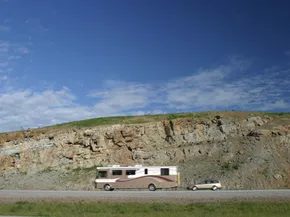
Why self-aligning car-mounted tow bars simplify the hookup process
Towing a vehicle is unforgiving. You need to line up the RV and the car being towed with almost surgical precision. Miss the mark by a few inches, and the hooks just won’t line up. You end up pushing, shoving, and cursing.
Self-aligning car-mounted tow bars fix that friction.
You only need to get close. The tow bar system adjusts automatically to keep the vehicles properly aligned as you connect. This specific type of equipment removes the guesswork, making the entire hookup job significantly easier.
How car-mounted self-aligning tow bars differ from other systems
The key distinction is location. These bars mount directly to the car being towed, not the tow vehicle. That placement has practical consequences.
Because they live on the towed car, they tend to be lighter than alternatives. A single person can usually handle the installation and maintenance without help.
But you can’t just bolt them onto anything. Compatibility is mandatory. The car being towed must be designed to accept these specific bars. Often, the vehicle needs extra accessories, like skid plates, to prevent the tow bars from damaging the chassis or body panels.
The bars stay on the car. That is their biggest convenience feature, and their biggest drawback.
The trade-offs of keeping self-aligning tow bars on your car
Since the bars remain attached, you don’t have to store them in the garage or unload them after every trip. Convenience is high.
The cost is performance.
Extra weight on the car impacts fuel economy. It also puts additional stress on the suspension components over time. If the car is in an accident, those bars can cause more damage to the vehicle structure.
Installing self-aligning car-mounted tow bars: what to check first
Before you even start drilling, verify that your car is compatible.
- Check the manufacturer’s list. Not every car works with every bar.
- Identify necessary accessories. You might need skid plates or other protective hardware to avoid damage.
- Weigh the impact. Consider how the added weight will affect your daily driving, fuel costs, and suspension wear.
If your car isn’t on the compatible list, or if the required accessories seem excessive, this setup might not be worth the hassle. The ease of hooking up is real, but the long-term wear on your vehicle is also real.
Does the convenience outweigh the drag on your fuel economy and suspension? That depends entirely on how often you tow and how much you drive the car otherwise.
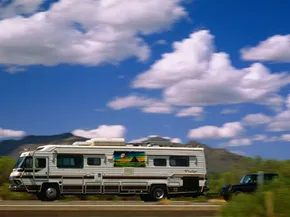
How to install a car-mounted self-aligning tow bar correctly
Getting the hardware right is the difference between a smooth trip and a roadside nightmare. Before you touch a wrench, you need the right car-mounted self-aligning tow bar for the specific vehicle you’re planning to drag behind your RV. Guessing is a bad strategy. Your local RV dealer or a specialized towing equipment shop can identify the exact fit for your chassis. They deal with this daily and know which models clear the bumper and which ones don’t.
What goes into the install besides the bars?
The bars are just one piece of the puzzle. You need three other components to make the setup safe and legal.
- Base plate or bracket : This is the anchor point on the front of the towed car. It bolts to the frame or chassis.
- Safety cables : These run from the base plate up to the RV hitch. If the bars slip, these cables keep the car from becoming a projectile.
- Brake light wiring kit : This connects the towed car’s brake lights to the RV’s system. When you step on the RV brakes, the towed car’s brake lights flash. It tells drivers behind you that the whole rig is slowing down.
Where does the base plate go and who should install it?
The base plate mounts on the front of the car. The exact location changes based on the make and model, so check the manual or ask the tow bar seller. Getting this wrong can damage the vehicle or make the bars unstable. The brake light wiring goes through the car’s fuse box, which requires some basic electrical knowledge to wire up properly.
You can do this yourself. One person can handle the entire install in an afternoon if you’re comfortable with hand tools and reading a diagram. If you hesitate, pay a professional. Towing safety doesn’t tolerate shortcuts.
How to hook up and start towing
Once the install is done, the process is straightforward. Back up until the tow bars align with the RV hitch. Attach them. As the RV moves forward, the self-aligning mechanism locks the bars into position. This maintains the correct distance between the RV and the towed car automatically. No manual adjustments needed while driving. Just drive.