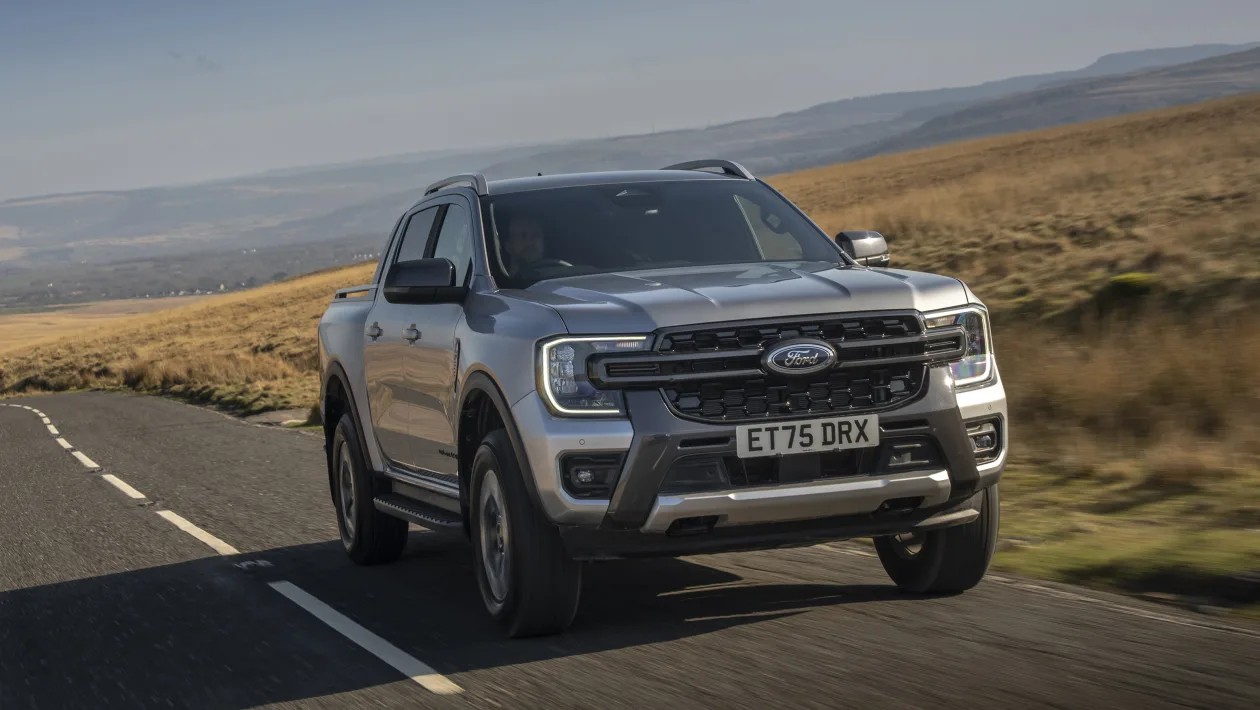
Ford is shifting its strategy for the highly successful Ford Ranger by introducing a specialized Double Cab 2-Seat variant. While the vehicle retains a four-door configuration, the interior has been redesigned to accommodate only two passengers, prioritizing cargo volume and professional utility over passenger capacity.
Maximizing Utility Through Redesign
The core concept behind this new model is the repurposing of passenger space into dedicated storage. By removing the rear seats entirely, Ford is addressing a specific niche of professional users who require the accessibility of a double-cab (four doors) but do not need to transport additional people.
To transform the cabin into a functional workspace, Ford has implemented several structural changes:
– A permanent bulkhead has been installed behind the front seats to separate the cabin from the cargo area.
– Aluminum panels replace the rear windows, enhancing durability and privacy.
– Heavy-duty floor anchor points and a new lining bed have been added to secure equipment.
– Increased storage capacity allows for the transport of tools, clothing, or even food supplies for long shifts.
Tax Advantages and Business Efficiency
This configuration is not merely about extra room; it is a calculated move to assist business owners with tax optimization. Because the rear seats, seatbelts, and rear windows have been removed, the vehicle effectively functions as a commercial tool rather than a passenger vehicle.
This distinction is crucial for fleet operators and independent contractors. In the UK, for example, this design allows users to potentially claim a 100% plant and machinery allowance and apply for the flat-rate company van Benefit-in-Kind (BiK) tax rates. These financial incentives make the Ranger a much more cost-effective option for businesses compared to standard passenger-focused double cabs.
Availability and Specifications
The new variant will debut in the popular Wildtrak trim level, ensuring it hits the market in a highly sought-after specification. Ford is offering flexibility in powertrain options, making the model available with both:
1. Diesel engines for traditional heavy-duty work.
2. Plug-in hybrid (PHEV) technology for those looking to balance power with lower emissions.
While official pricing is still pending, market analysts expect the diesel version to be positioned around £42,350 (excluding VAT), with the PHEV variant likely sitting near £46,241 (excluding VAT).
Looking Ahead
Ford has indicated that this two-seat configuration is just the beginning. The manufacturer plans to expand this offering to other trim levels—such as the entry-level XL, the XLT, or even the premium Platinum—later this year and into the future.
This move signals a trend toward “purpose-built” commercial vehicles that bridge the gap between a traditional pickup and a dedicated work van, offering the ruggedness of a truck with the specialized interior of a commercial carrier.
The new Ford Ranger Double Cab 2-Seat offers a strategic blend of four-door accessibility and maximized cargo utility, specifically designed to provide significant tax benefits and enhanced storage for professional users.