Tesla just dropped a remote software update that fundamentally changes how its newest electric sedans and SUVs interact with bad roads. The 2022.20 update introduces a feature that scans the road ahead and adjusts ride height in real-time. It’s not just about smoothing out a bumpy commute. It’s about stopping potholes from shattering your undercarriage and expensive components.
The system works by scanning for irregularities. If it spots a deep hole or a sharp dip, it raises the vehicle’s ground clearance before the wheels even hit the defect. Over time, this data feeds back into Tesla’s network. They are building a crowd-sourced map of road conditions. Eventually, the car will know about a bad patch before you do, automatically adjusting the suspension before you even see the damage coming.
Who Actually Gets This Tech?
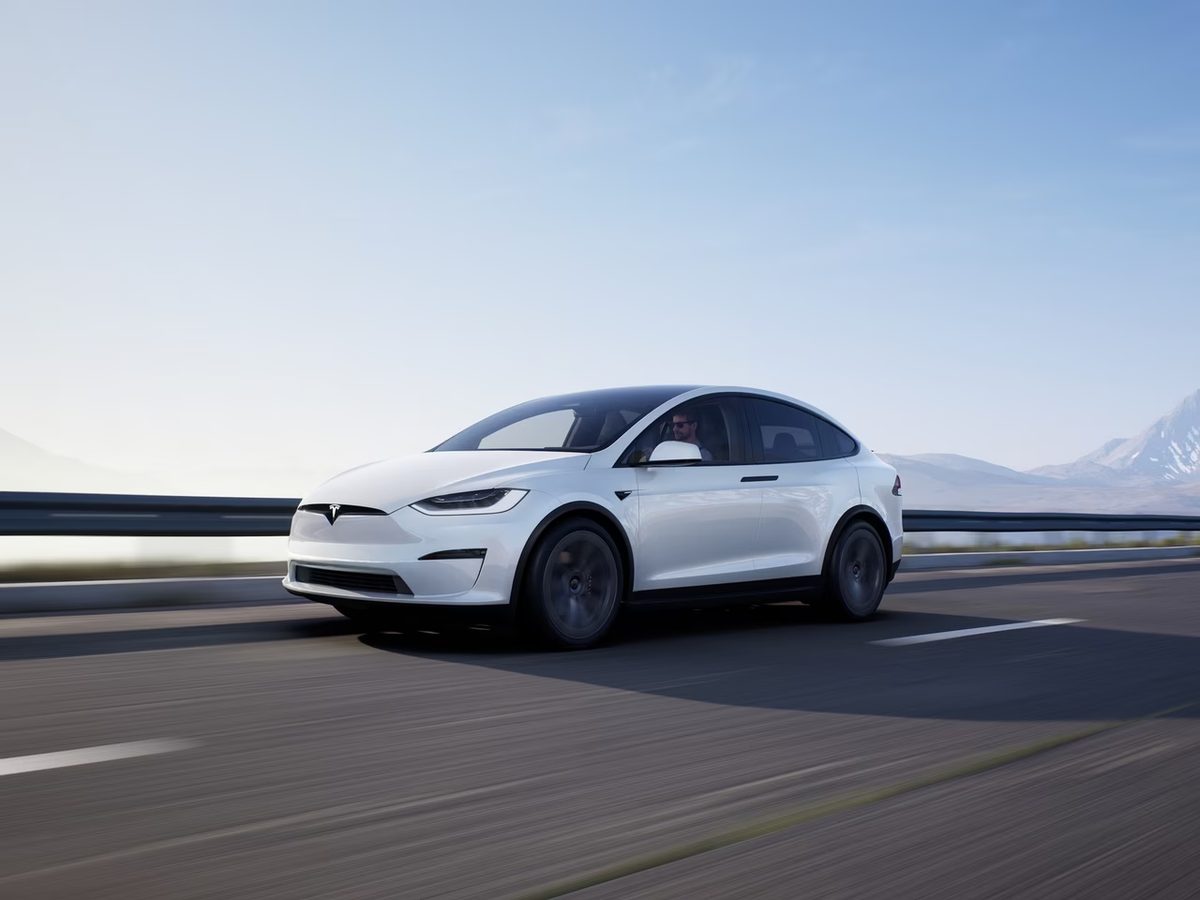
Don’t get your hopes up if you drive an older Model 3. This functionality is exclusive to the Tesla Model S and Model X equipped with adaptive air suspension. Specifically, it targets the latest versions of these platforms where the hardware supports the rapid adjustment required for this to work.
If you have one of these vehicles, the feature is hidden behind a few taps. You need to navigate to Controls, then Suspension, and finally Adaptive Dampening. From there, you must select either Comfort or Auto. It’s not on by default. You have to opt-in to let the car scan and adjust.
More Than Just Comfort
The marketing pitch is often about ride quality. But the engineering intent is protection. Every time you drive over a crater, you’re stressing the subframe, the battery pack, and the suspension arms. By raising the chassis milliseconds before impact, Tesla is reducing the mechanical load on these critical components. It’s preventative maintenance via software.
The 2022.20 update also packs in several other safety and utility improvements. You aren’t just getting the pothole avoidance. The update adds an audible alert when the traffic light turns green or when the car in front of you starts moving. It’s a small thing, but it keeps you aware of your surroundings without staring at the screen.
There’s also a change to the seatbelt pretensioners. In the event of a collision, the system now tightens the belts faster. It’s a micro-adjustment to occupant restraint systems, designed to keep you locked in place during the initial phase of an accident.
Speed Limits and Tire Resets
Beyond the suspension shenanigans, the update brings clarity to speed limits. The car now detects speed limit signs and updates the display on the instrument cluster. No more guessing if the zone changed from 45 to 35. The car sees it. You see it.
When you change tires, the system has also been updated to allow for a manual reset of tire parameters. If you swap out your wheels, you can now easily recalibrate the system to match the new specs. It saves a trip to the service center for a simple reset.
Why This Matters for Tesla Owners
This isn’t a gimmick. It’s a demonstration of what software-defined vehicles can do. Traditional cars rely on mechanical sensors that react after the fact. Tesla’s system anticipates