Hydrogen is everywhere in the cosmos, yet on Earth, pure H2 is a ghost. It’s so light that unless you trap it, it just floats away into space. Most of the hydrogen we see is tied up in water (H2O) or methane (CH4). To use it as fuel, you have to rip it apart from those bonds and compress it into a liquid state. It’s a messy, energy-intensive process. And once you have that liquid, you’re dealing with a volatile substance.
Ignition Energy and Invisible Flames
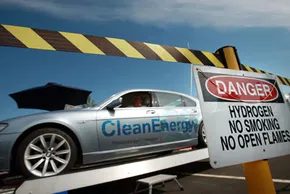
Let’s talk about fire. Hydrogen burns. Actually, it catches fire much easier than gasoline. The American National Standards Institute puts it plainly: hydrogen needs only one-tenth the ignition energy of gas. That means a static spark from your finger is enough to set it off. Ideally, fuel cell tanks are free of oxygen, but leaks happen. Trace air gets in. The hydrogen escapes. It meets the oxygen in the air. Boom.
The real headache here is visibility. Hydrogen flames are nearly invisible. You can’t see them. You can’t fight them easily. You might walk right into one. It’s a nightmare scenario for anyone handling leaks or spills.
The Silent Killer: Asphyxiation
Hydrogen isn’t poisonous. It won’t poison you. But if you breathe it pure, you die. Why? Because it displaces oxygen. You suffocate. The scary part? You won’t know it’s happening. Hydrogen is invisible, odorless, and tasteless. It’s exactly like the oxygen you’re currently breathing. There’s no warning shot. No gasp. Just hypoxia until your brain shuts down.
Extreme Cold: Frostbite Risks
Liquid hydrogen is cold. Like, brutally cold. It’s highly compressed to stay liquid, which drops the temperature drastically. If that tank leaks and sprays on you, you don’t just get wet. You get severe frostbite instantly. The skin damage is rapid and deep.
Is the Hype Unfounded?
These dangers sound terrifying. Burns. Invisible fires. Silent suffocation. Instant frostbite. Does this make hydrogen look more hazardous than it really is? That’s a question we’ll tackle next.