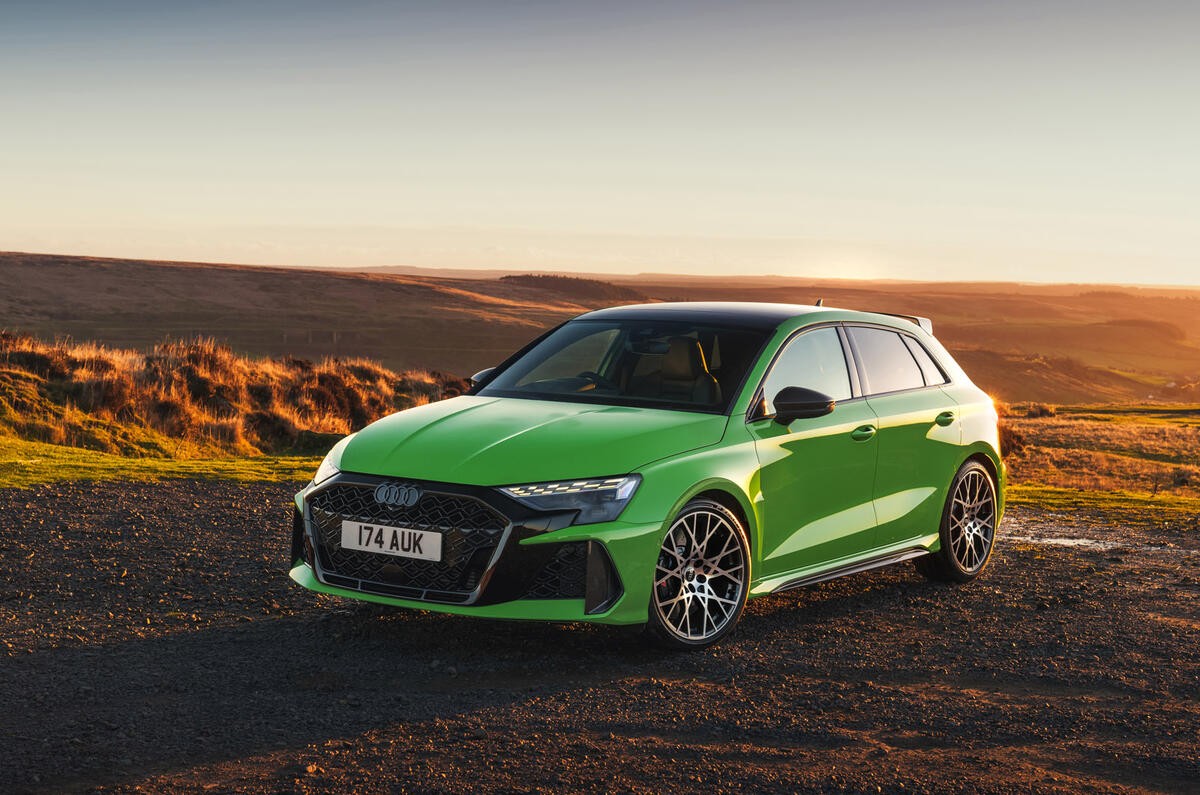
The legendary five-cylinder engine, a cornerstone of Audi’s performance identity, faces an uncertain future in Europe. However, recent comments from Audi Sport leadership suggest that hybridization may be the key to keeping this unique powertrain alive amidst tightening environmental standards.
The Regulatory Hurdle: Euro 7
The primary threat to the current 2.5-litre “EA855” engine—which produces 394bhp—is the upcoming Euro 7 emissions regulations. Set to take effect this November, these mandates impose much stricter limits on pollutants.
Under its current configuration, the engine cannot meet these new standards. To bring the engine into compliance through traditional internal combustion upgrades alone, Audi would need to implement significant hardware changes, including:
– New particulate filters
– More sensitive NOx sensors
– Recalibrated fuel injection mapping
– Higher cell-density catalysts
The Economic Dilemma
The challenge for Audi is not just technical, but financial. Engineering a new version of an engine requires massive investment. From a business perspective, justifying such costs is difficult because the EA855 engine is currently used in only two global models: the Audi RS3 and the Cupra Formentor VZ5.
Audi CEO Gernot Döllner has previously expressed uncertainty regarding whether the company can “refinance” the investment required to meet Euro 7 standards, leading many to believe the engine’s European era was nearing its end.
A Hybrid Future?
Despite the economic hurdles, Audi Sport boss Rolf Michl has signaled that the company is not ready to give up on the engine’s unique character. When asked if hybridization could bridge the gap, Michl stated:
“We are open to every possibility. The thoughts [on how to do that] will continue at our end. I can tell you we are still thinking in different technological possibilities.”
Michl emphasized that Audi remains committed to the “emotional driving experience” that defines the compact performance segment. By integrating electric motors with the five-cylinder unit, Audi could potentially lower emissions enough to satisfy Euro 7 requirements while preserving the distinct sound and feel that enthusiasts demand.
What This Means for Consumers
If Audi successfully develops a hybrid version of the EA855, the RS3 will continue to serve as a flagship for high-performance compact cars in the European market.
If a hybrid solution proves too costly or complex, the engine’s fate will vary by region:
– In Europe: The engine may be discontinued due to strict environmental mandates.
– In the US and other markets: The engine is expected to remain in production, as these regions currently have less stringent emissions requirements.
Conclusion
Audi is weighing the massive costs of regulatory compliance against the emotional value of its iconic five-cylinder engine. A shift toward hybridization represents the most likely path to keeping this high-performance powerplant on European roads.