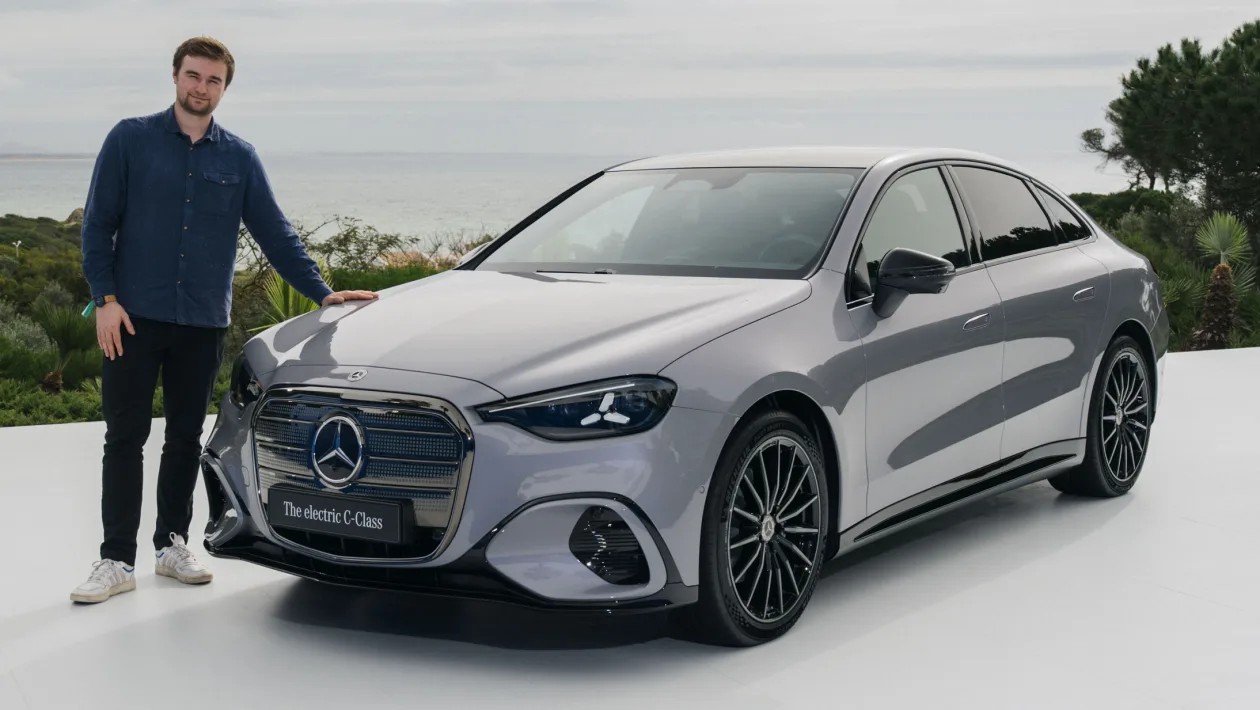
Mercedes-Benz has officially entered the compact-executive electric vehicle (EV) market with the reveal of the new C-Class Electric. While it retains the iconic “C-Class” name, this model represents a complete departure from its combustion-engine predecessor, built from the ground up on the brand’s advanced MB.EA platform.
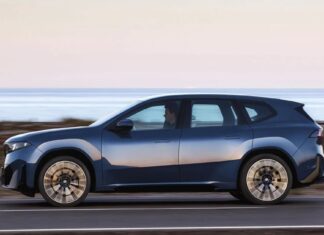
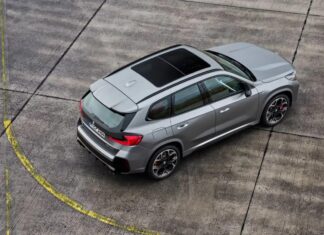
By moving away from the traditional internal combustion engine, Mercedes is positioning this vehicle to compete directly with heavyweights like the BMW i3, Hyundai Ioniq 6, and the upcoming Lexus ES electric.
Performance and Range: Speed Meets Efficiency
The C-Class Electric is being marketed as the “sportiest C-Class ever.” This isn’t just marketing jargon; the flagship C 400 variant utilizes a dual-motor setup delivering a potent 482bhp.
- Acceleration: 0–62 mph in just 4.1 seconds.
- Range: Up to 472 miles on a single charge (94.5kWh battery).
- Efficiency Tech: A new two-speed automatic transmission optimizes performance, providing punchy acceleration at low speeds and efficient power delivery during high-speed cruising.
While the range is impressive, it sits slightly behind the BMW i3’s projected 559 miles. However, Mercedes is countering this with superior charging technology. Utilizing an 800V architecture, the car supports a 330kW maximum charge rate, allowing drivers to add 198 miles of range in just 10 minutes.
Design: A Bold New Aesthetic
Visually, the C-Class Electric adopts a “coupé-like silhouette” with muscular wheel arches and taut surfaces. It shares a distinct design language with the GLC Electric, most notably in its controversial front end.
The grille features a striking array of 1,050 tiny lights, and the headlights carry the unmistakable Mercedes three-pointed star signature.
Despite the heavy battery pack beneath the floor, Mercedes has managed to maintain a spacious interior. The wheelbase is nearly three meters long—97mm longer than the petrol version—offering improved legroom for all passengers. Additionally, the car features a 470-litre boot and a 101-litre “frunk” (front trunk), making it a practical choice for long-distance travel.
Interior and Cutting-Edge Technology
Inside, the cabin is a digital powerhouse. The dashboard is dominated by a massive triple-screen setup, featuring the “Superscreen” as standard.
Key technological highlights include:
– Passenger Entertainment: The passenger-side screen can display video content while the vehicle is in motion (though it deactivates if the driver’s attention is diverted).
– Sky Control: An innovative feature allowing segments of the panoramic glass roof to become opaque at the touch of a button.
– Advanced Comfort: Optional upgrades include the Airmatic air-suspension system with predictive damping and rear-wheel steering, which improves maneuverability by giving the car a tighter 11.2-meter turning circle.
Market Positioning and Availability
Mercedes has opted to launch the C-Class Electric exclusively as a saloon (sedan), with no estate (wagon) variant currently planned. For buyers needing more utility, the brand points toward the GLC Electric.
While official pricing remains unconfirmed, industry experts expect the entry price to sit in the mid-£50,000 range, with single-motor variants potentially dipping below the £50,000 mark to attract a broader audience.
Expected Timeline:
The C-Class Electric is slated for a late summer release, with the first deliveries expected in the UK before the end of the year. Various battery configurations are also expected to arrive in 2026 to provide more affordable, lower-range options.
Conclusion: The C-Class Electric marks a strategic shift for Mercedes, blending high-performance electric driving with luxury tech to challenge the dominance of established executive EVs. Its success will likely depend on how its charging speed and driving dynamics stack up against BMW and Hyundai in a crowded market.