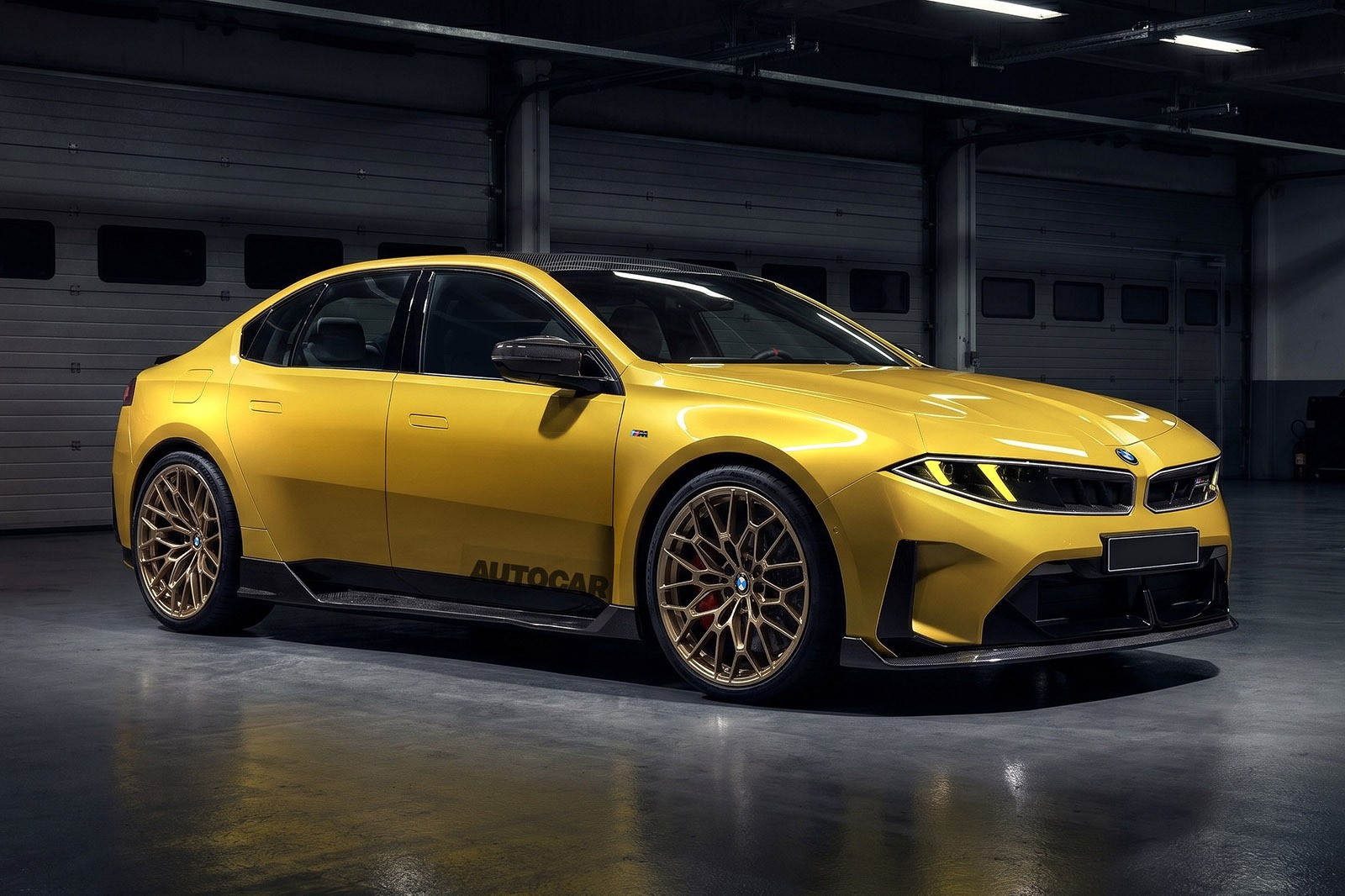
BMW is preparing to launch a historic dual-track strategy for its iconic M3 performance sedan. By 2027, the brand will offer two distinct versions of the M3: a high-performance electric vehicle (EV) and a next-generation internal combustion engine (ICE) model. According to BMW M executives, these two vehicles will be positioned as “twins” in terms of pricing, ensuring that buyers are not penalized for choosing electrification.
The Electric M3: Power Meets Neue Klasse
The upcoming electric M3, currently unnamed but expected to launch in 2027, represents BMW’s first production electric model from its high-performance M division. Built on the brand’s new Neue Klasse architecture, the car is derived from the recently revealed i3 sedan.
Performance expectations are sky-high. The EV is set to feature four independent electric motors, one for each wheel, delivering approximately 1,000 horsepower. This setup promises not just straight-line speed, but precise control and agility. The prototype has already been spotted undergoing extensive testing, signaling that the engineering phase is well underway.
The Petrol M3: A Stylish Evolution
Despite the arrival of its electric counterpart, the traditional petrol M3 will not be discontinued. Instead, it will receive a full generational update. While it will continue to utilize the current CLAR platform (shared with the existing 3 Series), it will undergo a significant design overhaul to align with BMW’s futuristic Neue Klasse aesthetic.
This ensures that enthusiasts who prefer the auditory and mechanical experience of a combustion engine will still have a cutting-edge option. The petrol M3 will remain a core pillar of the brand’s performance lineup, running parallel to the EV rather than replacing it.
Bridging the Trust Gap
The biggest challenge for BMW M is not engineering, but psychology. Convincing traditional petrolheads to embrace an electric performance car requires more than just horsepower figures; it requires trust.
Sylvia Neubauer, head of sales for BMW M, emphasized that the electric M3 must adhere strictly to “BMW M DNA.” She argues that true performance is defined by drivability, maneuverability, and the connection between driver and road, not just acceleration.
“With a high-performance BEV, you need to be able to trust it every millisecond, and the car is so convincing.”
To address skepticism, BMW is planning a series of exclusive drive tours. The goal is simple: get owners behind the wheel. Neubauer acknowledges that they may not convert 100% of their traditional customer base, but they believe that direct experience will win over a significant portion. For those who remain unconvinced, the petrol M3 remains available.
Strategic Flexibility in a Shifting Market
The decision to price the electric and petrol M3s similarly is a strategic move to simplify the buying decision. By keeping the cost “in the same ballpark,” BMW removes price as a barrier to entry for EVs, allowing the choice to rest purely on preference for powertrain technology.
Neubauer highlighted BMW’s manufacturing flexibility, noting that the company can adjust production volumes based on real-time demand. This agility allows them to mitigate risks associated with fluctuating EV adoption rates.
Ultimately, BMW views these two vehicles as serving the same high-performance demographic, split only by mindset:
* Progressive buyers seeking the latest electric technology.
* Diehard enthusiasts committed to internal combustion engines.
Conclusion
BMW’s 2027 M3 strategy is a clear signal that the future of performance is not either/or, but both/and. By offering electric and petrol variants at similar price points and with shared design language, BMW ensures that the M3 brand remains relevant to all types of driving enthusiasts, regardless of their fuel preference.