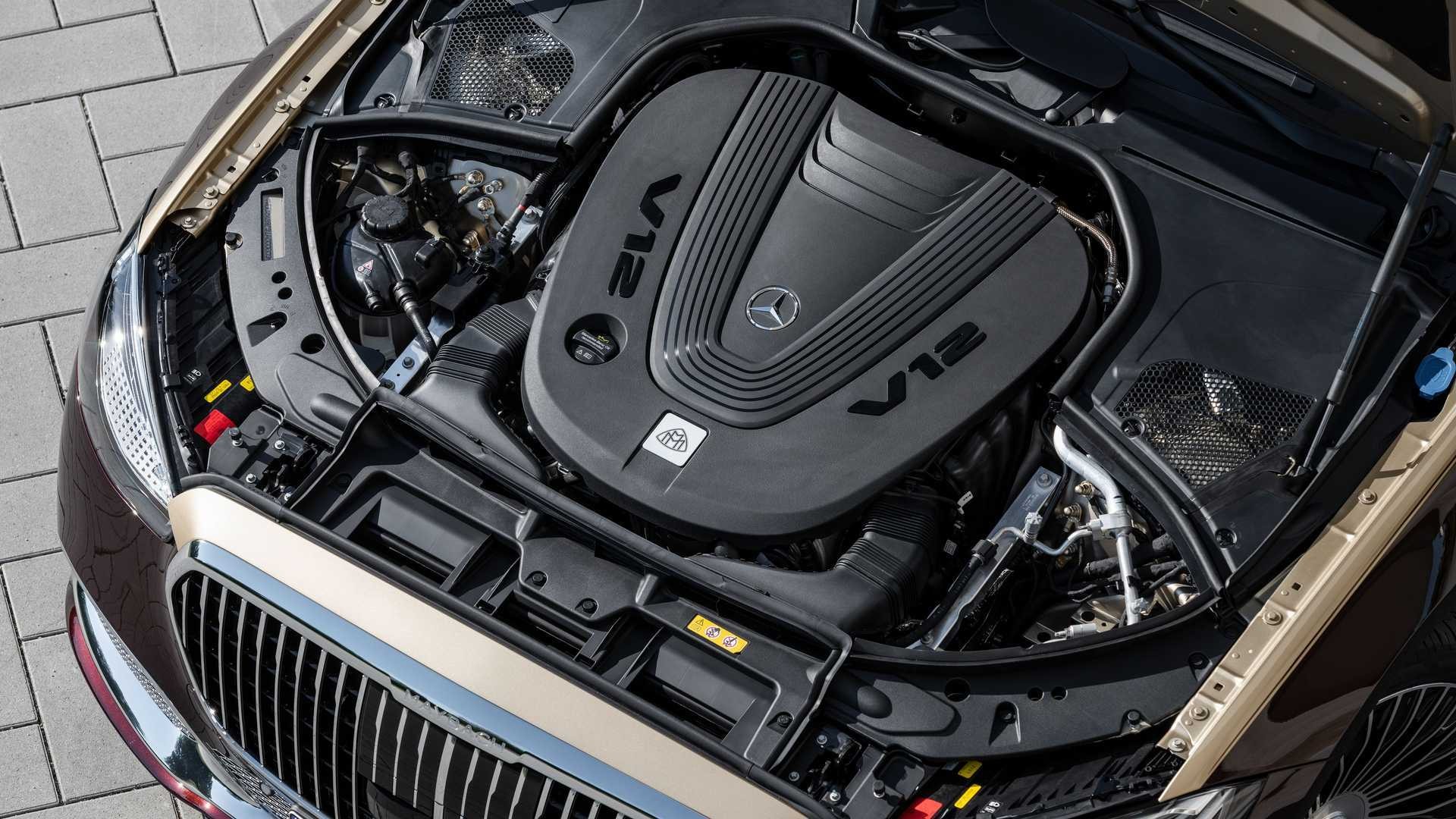
In an era where the automotive industry is aggressively pivoting toward electrification, Mercedes-Maybach is making a deliberate stand for internal combustion engines. The luxury brand has confirmed that its flagship S680 model will continue to feature a 621-horsepower V12 engine, driven by unwavering demand from its most affluent customers.
This decision highlights a significant disconnect between manufacturer strategy and consumer behavior in the ultra-luxury segment. While major automakers race to meet electric vehicle (EV) targets, a dedicated subset of buyers remains loyal to the prestige, sound, and performance of large-displacement gasoline engines.
The American Market Drives the Demand
The primary reason for keeping the V12 alive is the United States, which remains the strongest market for this specific powertrain. During a recent media event, Maybach brand chief Markus Bauer acknowledged the difficulty of transitioning high-net-worth clients to smaller engines.
“It’s hard to convince” someone who wants a V12 to buy a V8, Bauer noted. Consequently, Mercedes-Benz has ensured that the twin-turbo 6.0-liter V12 remains available in the U.S. market, despite regulatory hurdles that prevent its sale in other regions.
“The V12 and Maybach go very well together. Our ambition is always to offer the V12.”
This commitment signals that for brands like Maybach, brand identity and customer expectation currently outweigh the pressure to go fully electric. The S680’s V12 is not just a power source; it is a core part of the brand’s heritage and appeal.
A Broader Industry Shift Away from Pure EVs
Mercedes-Maybach’s stance is part of a larger trend among luxury and performance manufacturers. Over the past year, several major automakers have revised their electrification timelines, acknowledging that consumer adoption of EVs has been slower than anticipated, particularly for gasoline-enthusiasts.
- Porsche recently stated it will keep combustion engines in production “far into the next decade.”
- Ferrari has pledged to continue building its iconic V12 engines alongside its new electric models.
- Toyota, Bentley, and Audi have made similar commitments to maintain gasoline offerings.
- Mini abandoned its plan to phase out gas engines entirely after facing consumer resistance.
- Volkswagen has adopted a flexible approach, designing new EV platforms that can also accommodate gasoline engines.
Even Mercedes-Benz itself announced a “course correction” in June 2025, extending the lifespan of internal combustion engine production beyond initial projections. This collective shift suggests that the transition to an all-electric future is more complex and gradual than initially predicted.
Why This Matters
The persistence of the V12 engine in the Maybach lineup raises important questions about the future of luxury transportation. It suggests that for the ultra-wealthy, the emotional connection to engine character—such as the smoothness and acoustic signature of a V12—is a factor that electric motors cannot yet replicate.
Furthermore, it indicates that regulatory environments play a decisive role in product availability. While the U.S. allows these high-emission engines, stricter regulations in Europe and Asia limit where these models can be sold, creating a fragmented global market.
Conclusion
Mercedes-Maybach’s decision to retain the V12 engine is a strategic acknowledgment that luxury buyers are not ready to abandon traditional powertrains. As major automakers adjust their electrification roadmaps, the V12 remains a symbol of exclusivity and performance, proving that combustion engines still have a vital role to play in the high-end automotive sector.