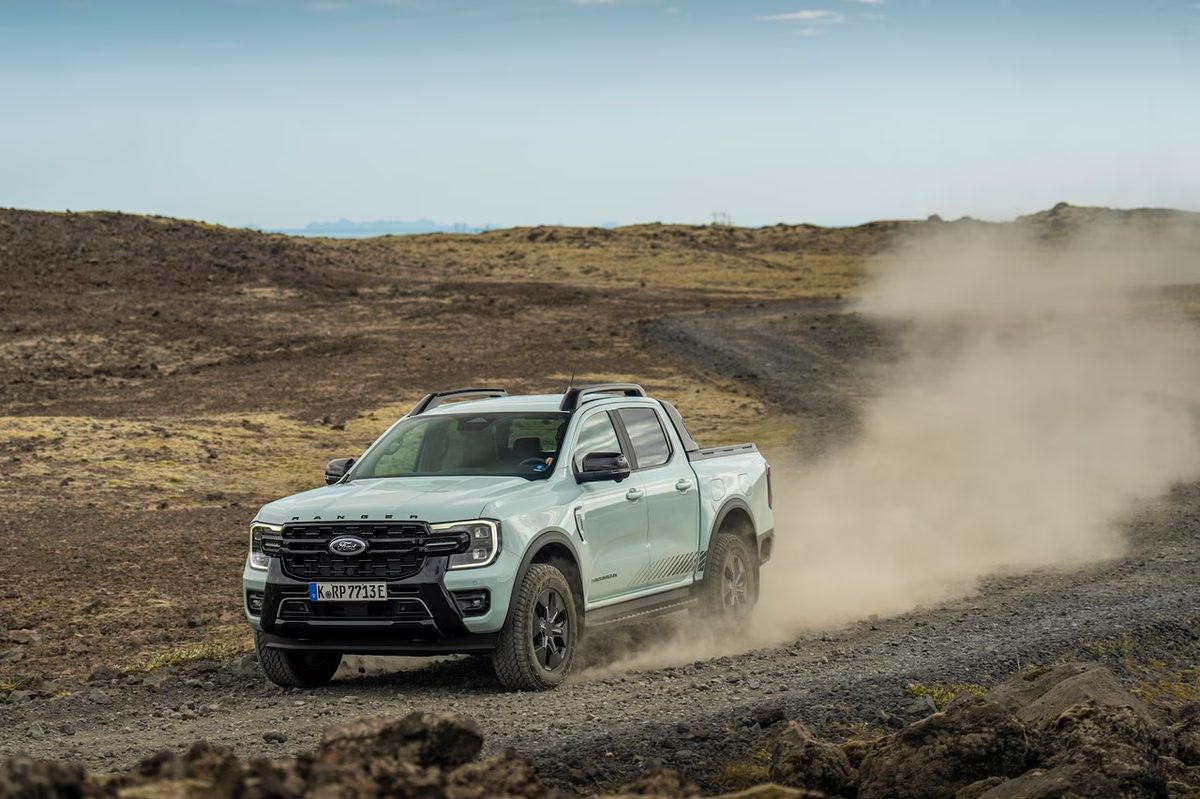
Ford didn’t water down the new Ranger PHEV. They dropped it in Europe this summer with a plug-in hybrid system that actually respects the integrity of a workhorse pickup. This isn’t a guilt-free commuter toy designed to look tough. It’s an electrified beast built to slash operating costs while keeping the payload capacity intact.
Real-world electric range and power figures
The heart of this truck is a straightforward mechanical marriage. You get a 2.3-liter EcoBoost petrol engine paired with a 75 kW electric motor. Power comes from an 11.8 kWh battery pack tucked away somewhere in the chassis.
In pure electric mode, the Ranger PHEV offers up to 43 kilometers of range. That figure matters because it covers the daily commute for more than half of all drivers. No range anxiety on the job site. No gas consumption for short hops between offices and client meetings.
When you need more, the system combines forces. Total output hits 281 horsepower. Torque is where things get interesting. 697 Nm of twisting force beats every current diesel version Ford sells. The electric motor fills in the gaps instantly.
Towing and payload without compromise
Performance usually drops when you add batteries and motors. Not here. Ford guarantees identical towing and loading specs as the diesel models. You still get a one-tonne payload capacity. Tow rating stays solid at 3,500 kilos.
The secret lies in the suspension. Ford adapted the setup specifically for the added weight and different torque delivery of the hybrid system. It doesn’t sag. It doesn’t handle poorly. It just works.
Powering your tools on site
There’s a plug in the bed. Or rather, a socket system called Pro Power Onboard. This turns the Ranger into a mobile generator. The system outputs up to 6.9 kW of electricity.
Plug in your angle grinder. Run the fridge for fresh food on a job site. Power lights for night work. You don’t need to start the petrol engine to run these devices. The battery handles it. Fuel savings add up quickly when you’re running high-draw tools all day.
The question isn’t whether a hybrid pickup can work. It’s whether you can afford not to have one in your fleet. The data suggests the operational benefits outweigh the initial cost. But we’ll get to the pricing and availability details next.
Real-world utility meets zero-emission flexibility
Forget the idea that you have to choose between hauling gear and protecting the air. Ford’s approach here is practical, not preachy. The Ford Ranger PHEV gives drivers four distinct driving modes to match the task at hand. You can switch between Auto EV, EV Now, EV Later, or EV Charge. Need to crawl through mud? Use EV Now for instant torque. Want to save battery for a quiet neighborhood arrival? Let it run on hybrid power first, then charge using the engine later. Or just plug it in and let it work.
This isn’t just software tricks. The core of the package is the e-4WD electric all-wheel-drive system. It sends power precisely where it’s needed, improving traction without the mechanical fuss of traditional four-wheel-drive lockouts. On top of that, Ford didn’t strip away the tech that makes daily driving bearable. The cabin centers around the SYNC4A digital interface. It’s snappy. It handles navigation, media, and vehicle settings without lagging behind your phone.
Safety and convenience features remain intact. Adaptive Cruise Control keeps you relaxed on long hauls. Park Assist 360° gives you a bird’s-eye view of tight job sites or cramped urban parking spots. And for the moments when backing up with a heavy trailer feels like defusing a bomb, there’s Pro Trailer Backup Assist. You just twist a knob, and the truck steers itself while you watch the screen. No guesswork.
Who is this truck for?
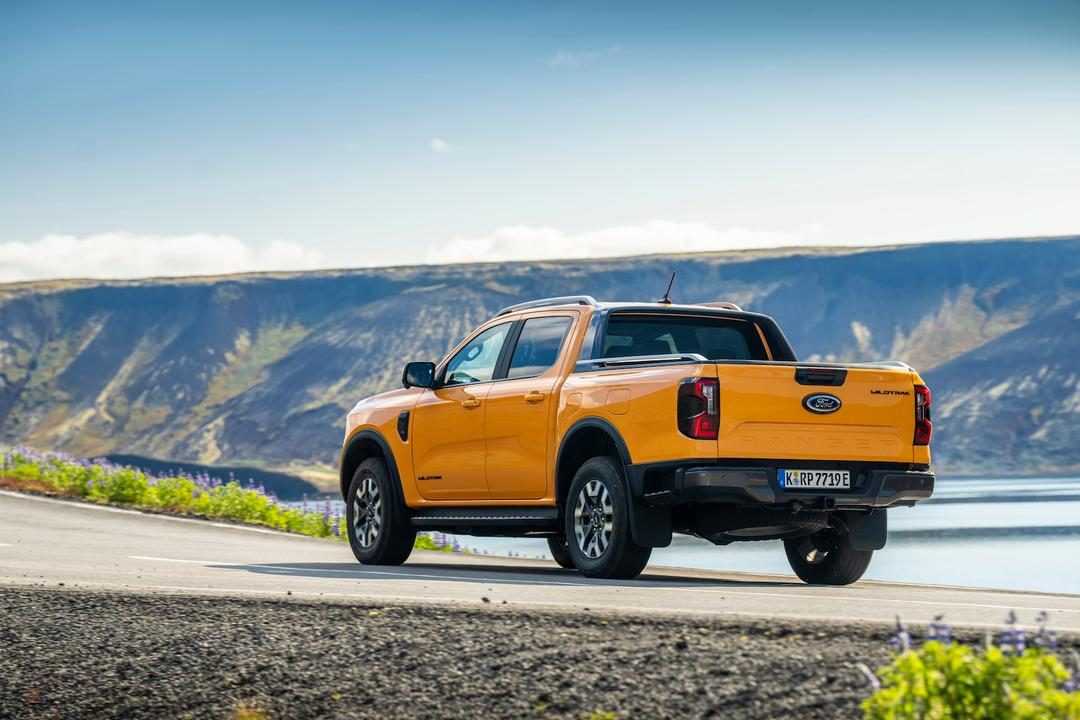
The Ranger PHEV comes in three trims: XLT, Wildtrak, and the launch-exclusive Stormtrak. Visually, it doesn’t look radically different from the standard diesel Ranger. It keeps that rugged, functional stance. The electrification is subtle—mostly in the badging and the lack of exhaust pipes at idle. But don’t let the understated looks fool you. This thing is built in South Africa, maintaining the global supply chain stability that often plagues newer, niche EVs.
For European markets, this matters. The Ranger is already the best-selling pickup in the region. Adding a plug-in hybrid version doesn’t replace the diesel; it complements it. It offers a credible path for buyers who face strict urban access rules or corporate fleet emission targets but still need to tow boats, trailers, or heavy equipment.
Why it changes the conversation
Pickups have a reputation. They’re big. They’re thirsty. They pollute. The Ranger PHEV challenges that narrative by proving you can have utility without compromise. It’s not a lifestyle accessory like some electric SUVs. It’s a tool. But it’s a tool that can run on electricity for daily commutes and gasoline for weekend jobs.
This vehicle fits into Ford’s broader electrified strategy. Alongside the new Capri and the Mustang Mach-E, the Ranger PHEV shows that electrification isn’t just about sedans and crossovers. It’s about expanding the definition of what an electric vehicle can be. It’s about real work. Real miles. Real-world conditions.
The market is shifting. Buyers are asking for more. Not just range. Not just speed. They want versatility. They want a truck that works as hard as they do, whether