Selling a car isn’t just about finding a buyer who writes a check. It’s about surviving the bureaucracy without losing your mind. The rules shift depending on where you park. California wants one thing. Texas wants another. You need to check with your local Department of Motor Vehicles (DMV) before you even think about handing over keys.
Once the money hits your account, the clock starts ticking.
You have to record the odometer reading. That’s the mileage. Then you sign the title over. The state handles the rest, issuing a new title for the new owner. Simple, right? It’s not. One typo and you’re stuck in a paperwork purgatory that lasts longer than the car’s warranty.
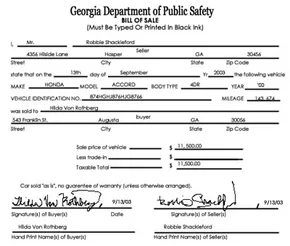
Next, you draft a bill of sale. And no, you don’t just scribble it on a napkin. You need copies. Both of them. Keep yours. Give one to the buyer. This document is your shield. It needs to include:
- Full names, addresses, and phone numbers for both parties
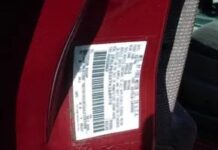
- The vehicle’s make, model, year, mileage, and VIN (Vehicle Identification Number)
- The exact sale price and payment method
- A clear statement that the car is sold “as is.” This means no warranty. Unless you specifically negotiate otherwise, the buyer accepts the car with its flaws. If it breaks tomorrow, that’s their problem.
- Signatures from both sides, dated.
Don’t forget the state-specific junk. Smog checks. Lemon law certifications. If your state requires a notarized release of liability, do it. If you wait until after the sale, you could still be held responsible for parking tickets or tolls the new driver racks up.
Cancel your insurance. Rip the plates off. Hand over the keys.
That’s it. You’re done. Or are you? One missing signature can leave you exposed. Get the paperwork right. It’s the only way to ensure both you and the buyer walk away satisfied.
The car is gone. The money is yours. Just make sure the paperwork matches the reality of the transaction. Because if it doesn’t, you’re still tied to that vehicle in the eyes of the law. And that is a headache you don’t want.