President Trump pardoned nine mechanics last week.
Nine people.
Convicted of messing with diesel emissions systems under the Clean Air Act? Gone. The convictions are erased. The threat of millions in fines or jail time? Evaporated. They join another Wyoming mechanic who got the same treatment in November.
Why does this matter.
It fits a pattern. The Trump administration is dismantling environmental guardrails one by one. It wasn’t always this way. During the Biden years, the EPA was cracking down hard on defeat devices—those little tricks people use to bypass legal emissions gear. They weren’t playing nice.
Let’s backtrack. The Clean Air Act dates back to 1963 but the real teeth came in 1970 when Nixon launched the EPA. Remember the 1960s. Pure horsepower. Then the 70s hit with smog rules. Enthusiasts hated it. A 180-horsepower Corvette didn’t exactly scream performance.
But did it work? Ask anyone who grew up in LA. The smog lifted. Automakers adapted. Fast forward to now and you’ve got hybrid Corvette ZR1Xs putting out 1,200+ hp while driving better than a first-gen Prius. People aren’t complaining. Not really.
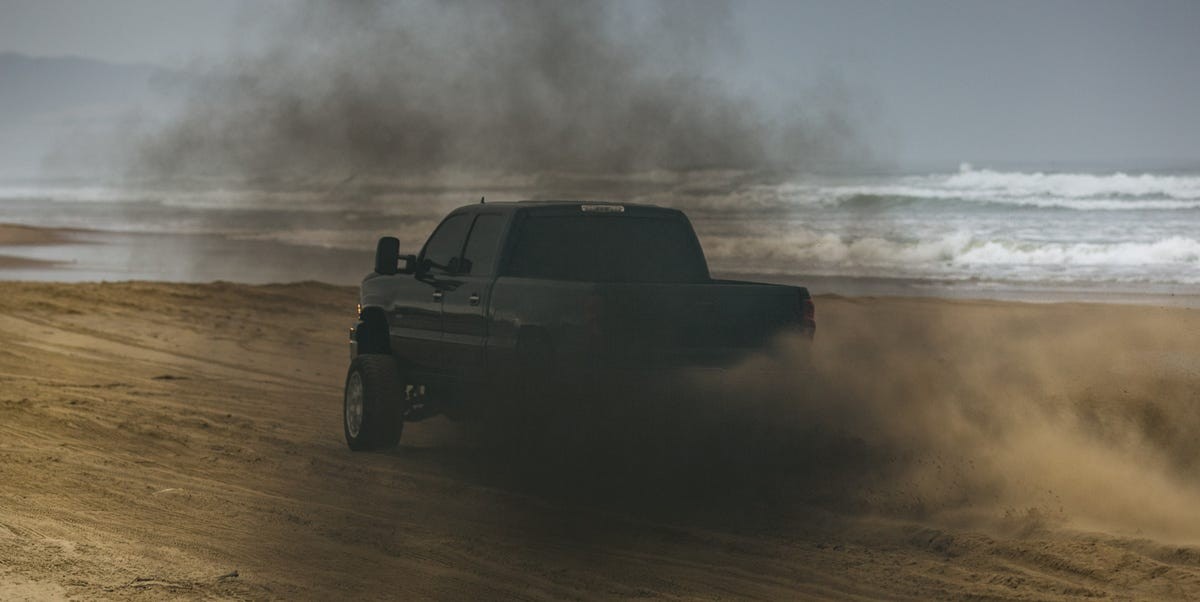
Diesels are different though. Heavy-duty stuff. Emissions controls add cost and can limit power. Removing diesel particulate filters or turning off exhaust gas recirculation frees up torque for hauling. It also saves maintenance money. Tampering is illegal. For some haulers, the risk was worth it. Until recently at least.
The EPA used to hunt these folks aggressively. Hardware hacks? Prosecuted. Software loopholes? Prosecuted. They had no problem dragging sellers and installers into court. Heavy litigation. Real consequences.
That era looks done.
Lee Zeldin runs the EPA now and he wants change. He’s already suggested removing limp modes when trucks run low on exhaust treatment fluid. Passenger cars won’t even be required to have stop-start systems anymore.
So what happens next?
Manufacturers will probably keep installing the mandated tech—they have to. But owners will likely delete them immediately after the vehicle leaves the lot. If the law doesn’t bite, why follow it? The consequences for breaking the rules seem suspended. At least for the moment. Who’s stopping you?