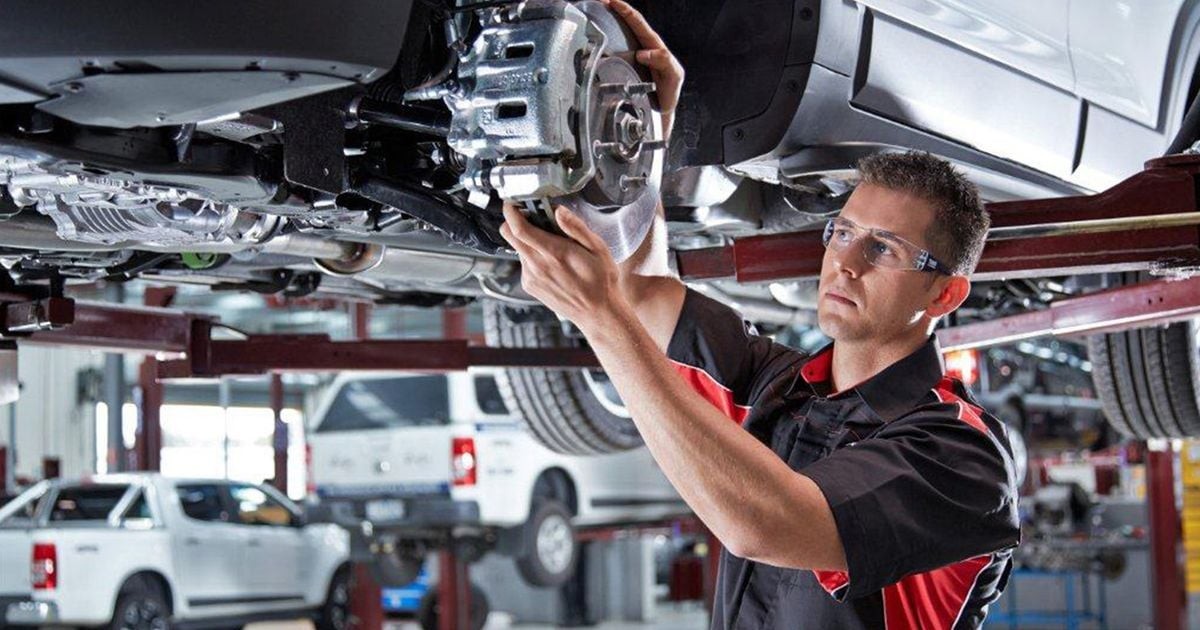
Покупатели новых автомобилей в Австралии сталкиваются со непреодолимыми препятствиями. Они отдают ключи на ремонт, ждут шесть недель и не получают ничего. Или хуже — вынуждены ожидать возврата средств до 18 месяцев. Обзор Бушана (Buchan Review) призывает к кардинальной перестройке австралийского законодательства о защите прав потребителей, поскольку текущие правила подводят как дилеров, так и водителей.
Это не просто жалоба. Это структурный кризис, который особенно остро ощущается в сегменте электромобилей (EV).
Почему в Австралии так трудно найти запасные части для электромобилей?
Дефицит наиболее критичен для новых брендов. В частности, речь идет об китайских производителях электромобилей, таких как BYD, Denza и Xpeng.
Дилеры сталкиваются с огромными очередями даже на простую диагностику. Только чтобы выяснить, в чем проблема, может уйти до шести недель. Затем требуется запчасть. Если это батарея? Ее нельзя отправить воздушным транспортом. В таком случае ожидание растягивается на месяцы.
«Частично это связано с длительными сроками ожидания — особенно для грузов, которые нельзя перевозить авиацией, например, аккумуляторных батарей».
Если автомобиль слишком долго находится без ремонта, это становится основанием для его выкупа производителем (buyback). Но что тогда? Потребители ждут еще 18 месяцев, чтобы получить свои деньги.
Дилеры оказываются в ловушке. Закон гласит, что они обязаны устранить дефекты. Производители поставляют запчасти и техническую поддержку. Если цепочки поставок работают с молчаливой медлительностью, удар принимают на себя дилеры. Они несут расходы на предоставленные клиентам автомобили на время ремонта. Производители эти расходы не компенсируют. В результате дилеры перестают брать в работу машины по внегарантийным заявкам, если они не были проданы этим конкретным салоном.
Клиент остается ни с чем. Без машины. Без денег. Без ответов.
Как новые бренды перегружают австралийский автомобильный рынок
Австралия невелика по объему продаж, но огромна по разнообразию выбора. Здесь реализуется около 1,2 миллиона новых автомобилей. На эти места претендует более 70 брендов. Сравните это с 23 миллионами продаж в Китае или 16 миллионами в США. На душу населения у нас больше выбора, чем практически у любой другой страны.
Волна новых участников рынка меняет правила игры. Denza, Geely, IM Motors, GAC, Forthing (скоро). BYD почти догнал Toyota.
BYD продал на 243 машины меньше, чем Toyota, в июне 2032 года? Нет… В июне 2026 года? Подождите, давайте придерживаться фактов. BYD открыла свое австралийское подразделение в 2022 году. Продажи на местном рынке начались в следующем году. К середине 2023 года (или когда именно наступило это равенство) разрыв был сокращен. Недавно BYD пообещала вернуть деньги 1 265 клиентам, которые приобрели автомобили, указанные как модели 2026 года. На самом деле они были собраны в 2025-м? Это административная ошибка. Но серьезная.
Xpeng сменил местных дистрибьюторов с TrueEV в апреле 2026 года. Это оставило клиентов в подвешенном состоянии в ожидании денежных бонусов (cashback), которые обещал старый импортер. Xpeng в настоящее время находится в судебном разбирательстве с TrueEV. Имеет ли это значение? Для водителя — нет. Xpeng Australia подтвердила, что выплатит обещанные суммы. Компания исполнила договоренность, несмотря на юридическую путаницу.
Не все бренды играют по правилам. По словам Ассоциации автомобильных дилеров Австралии (AADA), некоторые производители полностью игнорируют установленные процедуры. Они не вступают в диалог. Не отвечают на запросы. Правила нечеткие. Процедуры непонятны. Расходы для бизнеса взлетают до небес. Трибуналы перегружены делами.
Шон Ханли, бывший вице-президент Toyota Australia, предвидел эти проблемы. Еще в 2025 году он предупредил издание CarExpert:
«Мне кажется, что стремление к быстрому выходу на рынок … сопряжено с опасностями, потому что люди по-прежнему … ценят качество».
Скорость — не самое главное. Важны долговечность и надежность. Эти китайские бренды тестируют, как быстро их стратегия «быстрого выхода на рынок» даст обратный эффект. Проблемы проявляются через два-три года. Снижается надежность батарей. Появляются сбои в программном обеспечении.
Где решение?
Исполнительный директор AADЖеймс Вуртман (James Voortman) не скрывает своего мнения: «Австралийское законодательство о защите прав потребителей не работает должным образом».
Международные производители относятся к Австралии как к чем-то второстепенному. Или хуже — как к испытательному полигону, с которого можно легко свернуть, если возникнут трудности. Они не вовлечены в местные юридические процессы.
Дилеры принимают на себя весь шок ситуации. Они теряют деньги на автомобилях-заменах, за которые не получают возмещения. Они тратят недели на ожидание запчастей, которые невозможно получить. Они рискуют своей репутацией, ремонтируя машины, которые простаивают месяцами.
Есть ли лучший способ? Возможно. Но сейчас? Вы ждете. Вы платите. Вы надеетесь, что сломанной деталью не оказалась батарея. Потому что если это так — вы буквально зависли в воздухе. Тяжелые аккумуляторные блоки нельзя перевозить авиационным транспортом.