What You Were Actually Looking At
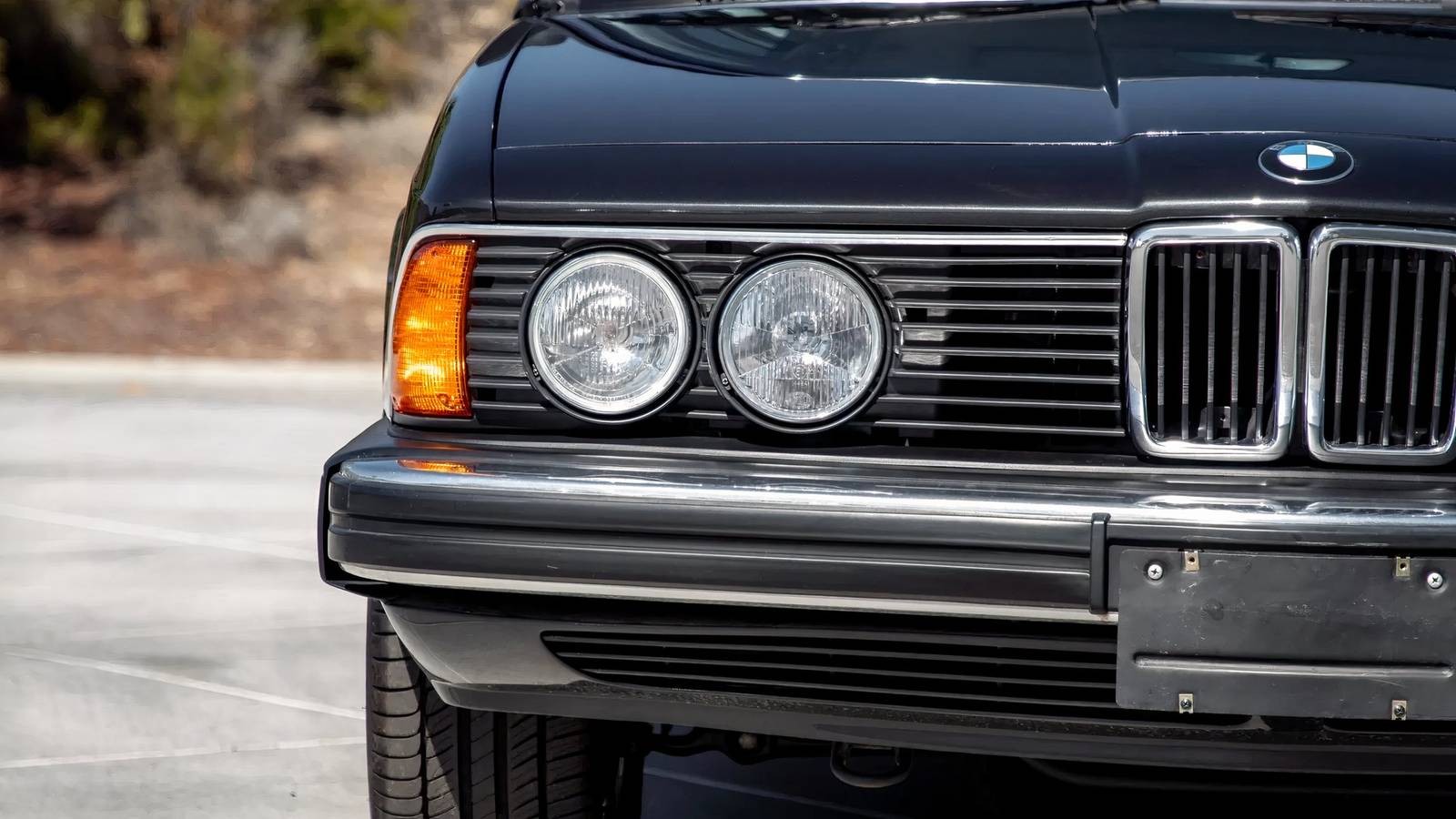
Forget what you think you know about 80s luxury. In 1986, BMW built something strange for people who found the 745i boring. It was the Alpina B12. Known here in America as the L7. It wasn’t just a stretched sedan. Alpina, holding full manufacturer status since ’83, didn’t just slap badges on it. They built it. The interior? A masterpiece of excess. Deep leather. Burl wood. The whole cabana of a private jet. It cost a fortune. Way more than a Mercedes 560SEL. Way more than the Jaguar XJ12.
Did they sell many?
No. The numbers are fuzzy but small. Tiny. Finding one in a scrapyard isn’t luck. It’s statistical defiance.
Why 80s German Cars Get Left Behind
The 1980 is the awkward teenage years of classic cars. Old enough to matter, but not old enough to get respect. The W126. The E23. They’re caught in the gap. The prewar collectors look right through them. The original owners? Too young to care about preservation, too old to enjoy the maintenance bill. It’s a generation skip.
Rarity doesn’t help. Rarity without a club doesn’t mean worth.
Where are the registries? The concours classes? The auction houses bidding up examples for serious cash? Nowhere. Without a tribe to worship it, even the rarest steel ends up under a press. Is it surprising?
Maybe a little. But it makes sense.
The Denver Reality Check
There’s an uncomfortable truth here. Rarity is not the same as survival. Collector cars need ecosystems. Parts. Friends. Data. The Alpina L7 had none. If you need that specific trim piece from 1987, good luck. You’ll search forever. The restoration costs scare people off before they even turn the key.
We don’t really know what one is worth today. Regular E23s trade cheap—five figures, low end. This thing? Should cost more. But will people pay? We haven’t seen many trades recently to prove it. That Denver car is a data point lost forever. It never made it to a catalog.
So here it stands. The window for saving these machines isn’t open forever. They rot in garages now. Owners who don’t know they hold history. Owners who just want to sell the junk.