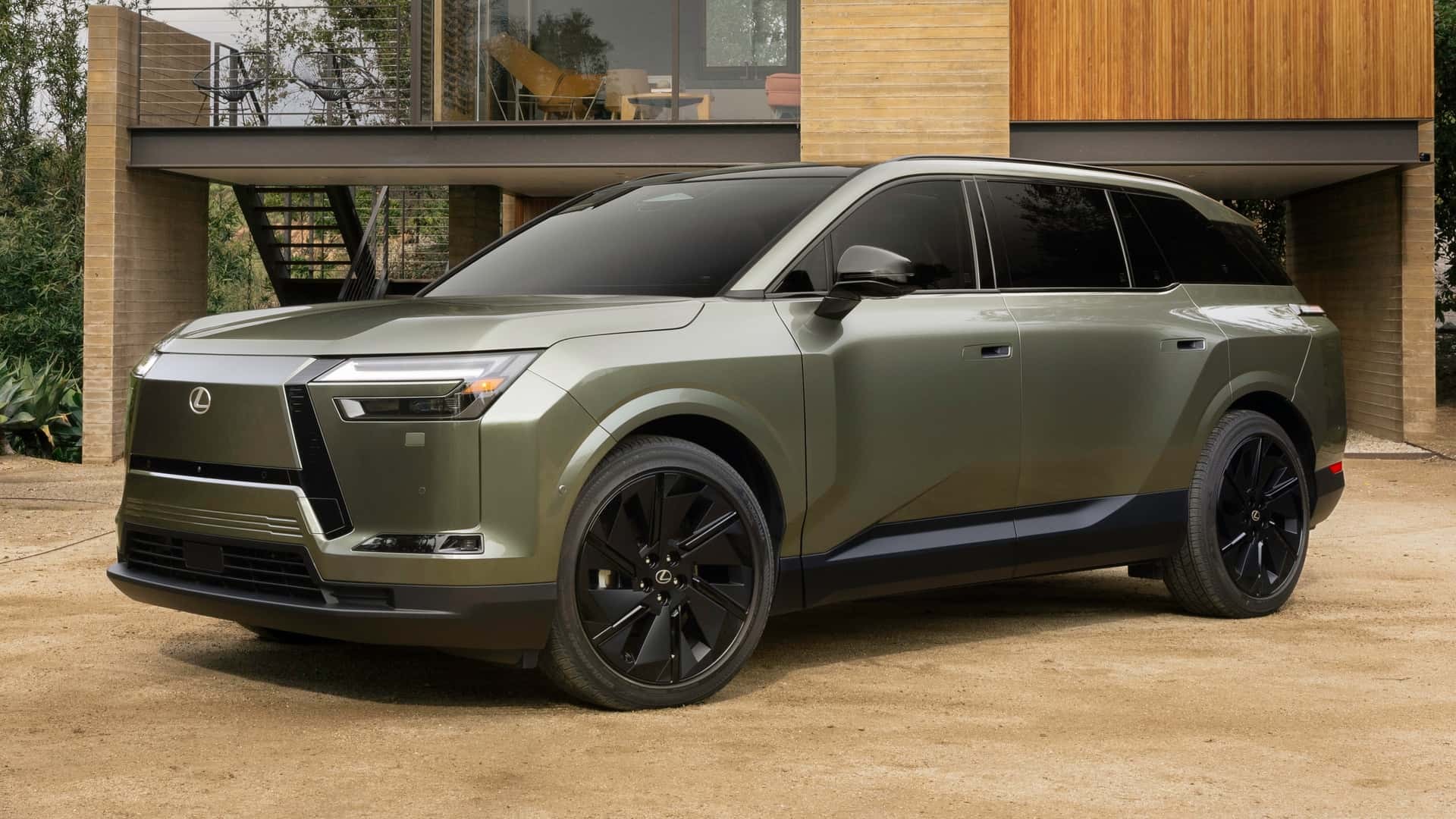
Lexus is launching its first dedicated three-row electric SUV, the 2027 TZ, aiming to carve out a premium niche in a cooling EV market. While it shares its DNA with the mainstream Toyota Highlander, the TZ is positioned as a distinct luxury offering with unique body panels, a significantly longer wheelbase, and a controversial feature: an optional, on-demand V10 engine sound.
The vehicle arrives as Toyota continues to recalibrate its electric vehicle strategy, moving from a cautious approach to more aggressive luxury entries. The TZ represents a shift toward specialized EV architectures rather than simple rebadging of existing gas-powered platforms.
Beyond the Highlander: A Distinct Identity
Although the TZ shares its underlying TNGA platform and wheelbase with the electric Highlander, Lexus has engineered it to feel like a different class of vehicle. The most significant structural change is the 120.1-inch wheelbase, which is nearly 8 inches longer than that of conventional SUVs in this segment. This extension allows for a six-seat configuration with genuine luxury in the second row, including ventilated seats and power ottomans —a first for the brand.
The exterior design is not merely a facelift. With a length of 200.8 inches, the TZ rivals the gas-powered Lexus LX in size but sits lower to the ground at 67.1 inches. This lower profile, combined with flush door handles, redesigned aerodynamic mirrors, and underbody fins, results in a drag coefficient of just 0.27. This efficiency is crucial for an SUV of this size, helping to maximize range despite the vehicle’s substantial weight of nearly 5,800 pounds.
Performance and Range Specifications
Lexus is offering the TZ exclusively with dual-motor all-wheel drive, differentiating it from the front-wheel-drive options available on the standard Highlander. Buyers can choose between two battery packs:
* 76.96 kWh
* 95.82 kWh
The larger battery supports an estimated range of up to 300 miles. While this figure is not yet EPA-certified, it reflects the potential of the larger pack. Performance is robust for a heavy family hauler, with the top-tier model producing 402 horsepower and accelerating from 0 to 62 mph in 5.4 seconds.
Efficiency will depend heavily on wheel selection. The TZ will be available with either 20-inch or 22-inch alloy wheels wrapped in low-rolling-resistance tires. Larger wheels may enhance aesthetics but could slightly reduce overall range.
A Cabin Designed for Quiet—And Noise
The interior of the TZ is designed to be the quietest SUV in Lexus’s lineup, featuring extensive sound insulation and a massive touchscreen that extends toward the passenger side. Luxury touches include forged bamboo trim, a 21-speaker Mark Levinson audio system, and what Lexus claims is the world’s longest sliding panoramic roof.
However, in a move that highlights the psychological gap between electric and combustion engines, Lexus has integrated an on-demand V10 sound profile. This audio feature replicates the soundtrack of the legendary Lexus LFA supercar. Toyota Chief Branding Officer Simon Humphries confirmed that this “scream” is available on demand, allowing drivers to choose between serene silence and aggressive auditory feedback. This feature raises questions about how luxury buyers perceive authenticity in the EV era, suggesting that emotional engagement remains a key selling point even when the engine is silent.
Market Position and Competition
The 2027 TZ will go on sale in the United States by the end of this year, equipped with a NACS charging port for compatibility with Tesla’s Supercharger network. It supports fast charging up to 150 kW, allowing a 10-to-80-percent charge in approximately 35 minutes.
Despite its premium features, the TZ enters a crowded and competitive segment. It will face direct competition from established luxury EVs such as the Volvo EX90, Mercedes-Benz EQS SUV, Cadillac Vistiq, and Rivian R1S. For Lexus, the challenge is not just technical but perceptual: convincing buyers that the TZ is a worthy alternative to these rivals, rather than just a more expensive Highlander.
The launch of the TZ signals Lexus’s commitment to a dedicated electric future, leveraging its luxury heritage to compete in a market where technology and emotional appeal must go hand in hand.
The Lexus TZ aims to redefine the luxury electric SUV segment by combining practical three-row utility with supercar-inspired sensory experiences, challenging competitors to match its blend of range, refinement, and unique branding.