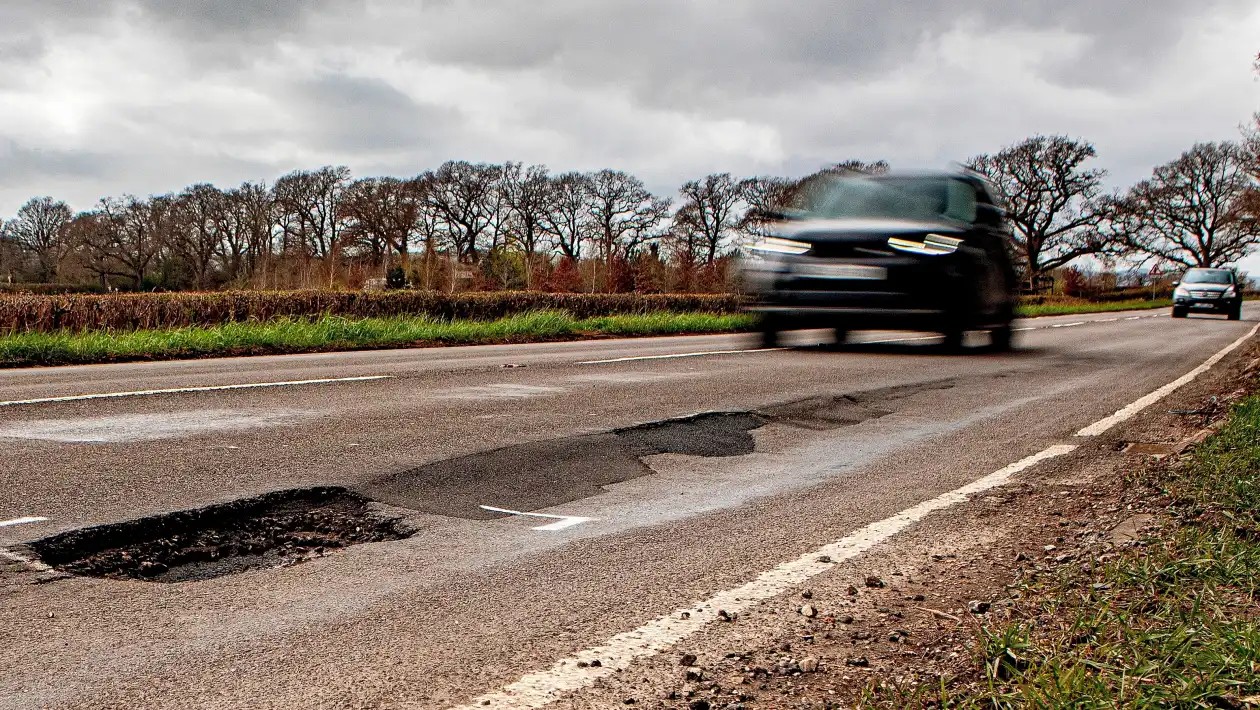
You hit a hole. Your suspension screams. You file a claim. The council says no.
Again.
New numbers suggest you have a 75 percent chance of getting shut down by local authorities. Three out of four drivers walk away empty handed after hitting these concrete craters.
BBC Freedom of Information requests pulled the data. Between April 2020 and march 2025, councils in Britain paid out on just 24 percent of claims. Out of 207 authorities across England, Scotland, and Wales, 147 actually replied. They processed 146,002 claims in total. Of that mess, only roughly £13.5m was handed back to drivers.
It is not distributed evenly though.
Shropshire Council alone dropped over £1m in the last five years. That covers about 71 percent of their specific claims. Then you have places like Essex County Council, where the payout rate sits at a dismal five percent. Luck plays a bigger role here than road quality.
Getting that cash? Good luck.
You have to prove three things. First, the hole broke your car. Second, fixing it costs money. Third, and hardest of all: the council knew.
If they can prove ignorance about the pothole’s existence, they owe you nothing. Negligence is the key, not damage. Most drivers don’t have proof the authority knew.
The numbers are exploding though.
RAC figures show a 91 percent rise in claims between 2021 and 2024. We went from roughly 27,000 complaints to over 53,000. Simon Williams, head of policy at the RAC, calls it a massive task getting roads back to a respectable standard. He is right.
How respectable? Not very.
The Asphalt Industry Alliance estimates the cost to fix the crumbling network in England and Wales is over £18.6bn. Just for the immediate repairs.
The government has handed out £1.6bn this year for highway maintenance. That is supposed to climb to £2bn annually by the end of the decade comes. There are strings attached, though. Councils must prove exactly where the cash goes. Lose the proof, lose the money.
Malcolm Simms of the AIA knows the trap. Frontload the investment.
“While roads aren’t maintained, they cost more to put right.”
We wait. The asphalt crumbles. We buy new tires.
And the councils? They still keep the change.