You just dropped six or seven figures on a hypercar. You survived the waitlist. You passed the vetting. And then, naturally, you realized it wasn’t everything you hoped it would be. Your first instinct? Flip it for a profit and walk away with a stack of cash.
Don’t bother.
Several high-end manufacturers are inserting strict no-resale clauses into their sales contracts. They want to ensure these machines stay in the hands of enthusiasts, not speculators. This isn’t a rumor. It’s a contractual reality that is reshaping the hypercar market.
The Mercedes-AMG Project One
Mercedes-AMG is the latest automaker to enforce these restrictions. The Mercedes-AMG Project One is arguably the most aggressive step yet. It is the German maker’s first street-legal Formula One car. The price tag sits at $3 million.
Only 275 units will be produced. All of them are sold out.
The catch? Owners cannot simply drive it off the lot and list it on Bring a Trailer for double the price. The contract includes a restriction on reselling the vehicle. The exact duration of this ban hasn’t been publicly detailed yet, but buyers will face the restriction starting when they take delivery in early 2019.
Aston Martin and the Valkyrie
Mercedes isn’t alone. The practice has been bubbling up in the luxury segment for years. In 2017, Aston Martin began allocating slots for the Valkyrie.
This is a limited run of just 175 cars. The projected price was $3.2 million. Delivery was scheduled for 2019. Aston Martin didn’t initially confirm a hard no-resale clause in the contract for the finished vehicle. However, they drew a line in the sand regarding allocations.
CEO Andy Palmer took to Twitter to clarify the stance. If you flipped your allocation—the right to buy a car that didn’t exist yet—you would be banned from future limited-edition Aston Martin purchases. The message was clear: we don’t want flippers. We want owners.
Ford GT’s Two-Year Ban
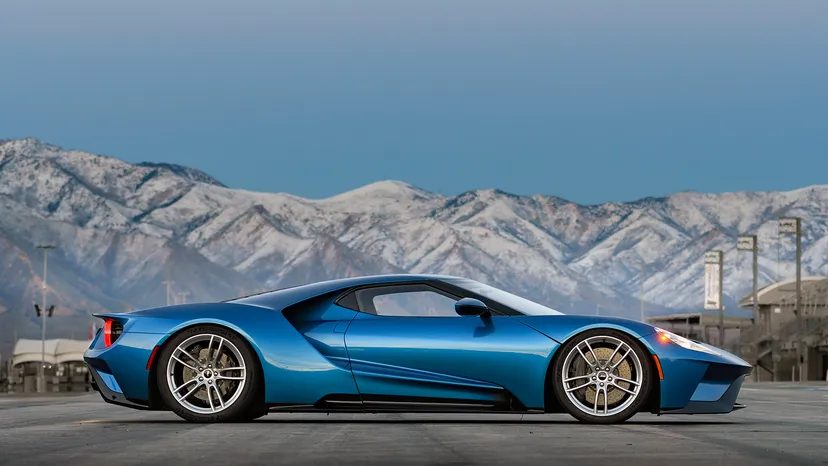
Ford has been even more explicit. The Ford GT, priced at $500,000, was a 2017 model year car. Ford didn’t just sell it to the highest bidder. They handpicked a few hundred buyers out of thousands of applicants.
The condition of that handpick? You cannot sell the car for two years after taking delivery.
Some buyers tried to ignore this rule. It didn’t go over well.
Is It Legal?
This raises a simple question: Can a car company legally stop you from selling a car you own? The answer is messy.
Ford sued wrestler John Cena when he resold his GT in November 2017. The case settled out of court in June 2018. We don’t know the terms of that settlement. Did Cena pay a penalty? Was he forced to buy it back? The details are sealed.
Then there was Michael Flynn (not the actor). He sold his Ford GT through Mecum Auctions. Flynn had bought the car from its first owner, presumably bypassing the two-year rule. Ford didn’t like the optics. Seeing a restricted supercar sold at a major collector auction house looked bad.
Ford filed for a temporary restraining order to halt the sale. A judge ruled in favor of Mecum. The auction proceeded.
So the legal landscape is unclear. On one hand, a contract clause is enforceable. On the other, buyers might get away with it if the manufacturer doesn’t catch them in time. If you own one of these super rare cars, is driving it for a couple of years really a hardship?
Ferrari’s Lease Model
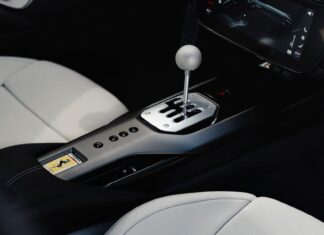
History offers a different solution. In the 1990s, Ferrari avoided the resale debate entirely by leasing its limited-edition F50.
Customers didn’t buy the F50. They leased it. The deal looked like this:
- Down Payment: Nearly $250,000.
- Monthly Payments: $5,600 for two years.
- Ownership: The car technically remained Ferrari’s property until the end.
To own the car at the end of the two years, the lessee had to make a final balloon payment of $150,000.
This structure made it impossible to flip the car immediately. The title never transferred until the final payment was made. It was a clever way to control distribution without needing a lawsuit.
The trend is shifting. Manufacturers are tired of seeing their engineering marvels treated as investment vehicles rather than driven experiences. Whether these clauses hold up in court remains to be seen. But for now, if you want a hypercar, you’re buying it to keep it. For a while.