Rio Gallegos, Argentina, is about to become the launchpad for something unprecedented. On April 9, The Green Expedition will kick off, marking the first major raid dedicated entirely to electric vehicles. This isn’t a quick sprint. It’s a grueling 4,786-kilometer journey that will unfold over 20 days.
The entry list is eclectic. You’ve got cars, a motorcycle, and even an electric bicycle all lining up to tackle the South American landscape. The event is organized by Atypik Travel Organisation (ATO), a crew with serious credentials. They’ve already run the Trophée Paris-Pékin and the Raid des Andes. This time, they’re testing the limits of clean energy in some of the most remote terrain on the continent.
Why this electric raid matters
Support for the event runs deep. French solar energy company Sojasun is backing the effort. Nicolas Hulot, France’s Minister of Ecological and Solidary Transition, has given the project his high patronage. Across the ocean, Argentina’s own Ministry of Environment and Sustainable Development is on board too.
The goal isn’t just to drive. It’s to prove that electric mobility can work in the wild, where infrastructure is nonexistent. The logistics are designed to be eco-responsible. No camping bivouacs. No flying in pre-packaged meals.
The raid promises a logistics model that is truly eco-responsible, prioritizing local accommodation and food to minimize waste production.
Participants will stay in local accommodations. They’ll eat local food. The waste stream is kept to an absolute minimum. It’s a logistical puzzle that conventional rally raids rarely bother to solve.
The lineup: Cars, bikes, and wheels
Who is actually driving these machines into the unknown?
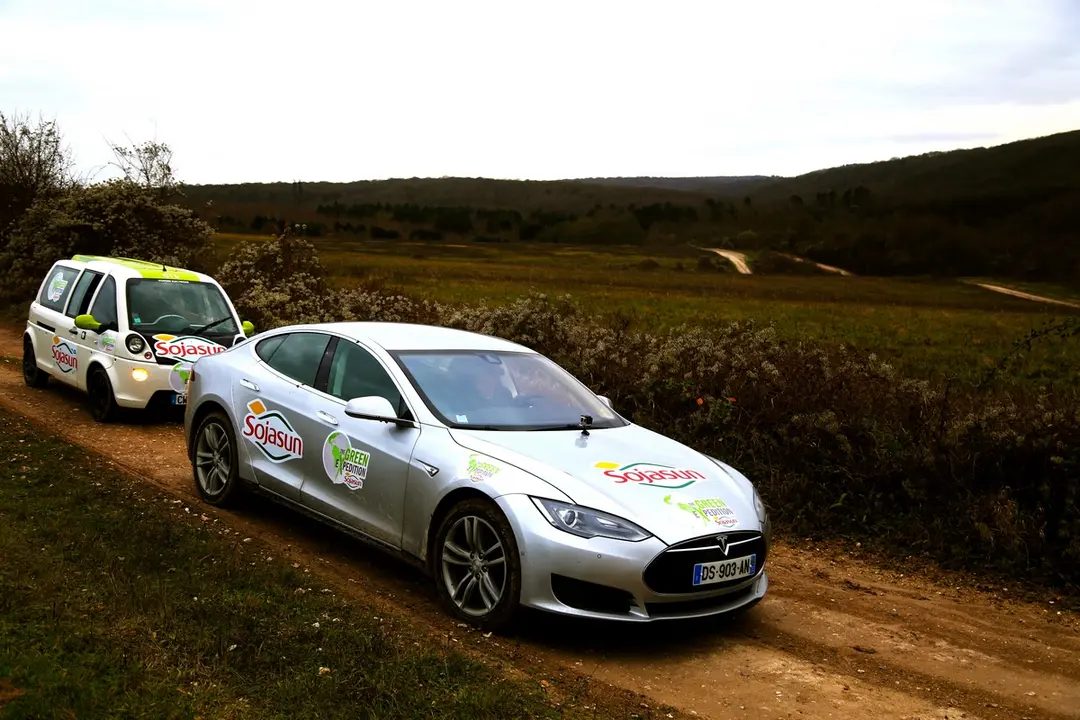
Tesla Model S 85
Éric Loizeau is behind the wheel of the Tesla. Loizeau isn’t just a car guy. He’s the event organizer and an elite athlete. He won the World Multihull Championship in 1986. He’s also an alpinist. He knows how to handle pressure and harsh environments. The Model S 85 is a proven EV, but pushing it across 4,786 kilometers of Argentine pampas and mountains is a different beast entirely.
Renault Zoé ZE40
Representing the French automotive presence, a Renault Zoé ZE40 is entered. It’s being driven by an Argentine couple who run photovoltaic farms. Their involvement is symbolic as much as competitive. They live the renewable energy life every day. They know the challenges of solar power and how it translates to the grid—and now, to the road.
ZERO DS Motorcycle
Two wheels get their turn with a ZERO DS electric motorcycle. Bastien Hieyte, a professional trial rider, is the pilot. Trial riding requires precision and balance. Doing it on an electric bike with instant torque and different weight distribution adds a layer of complexity. It’s not just about range; it’s about handling.
Matra i-Step Tour XT S
Rounding out the entry list is a Matra i-Step Tour XT S electric bicycle. A representative from Sojasun will ride this one. It’s a reminder that the green transition
Why Argentina’s Electric Raid Relies on Recycled Cooking Oil
The route is tight. Nineteen stages. An average of 250 kilometers between each. You’re looking at 400 kilometers of pure dirt track. The course starts in the far south, hugging the Andes along the legendary Ruta 40, climbing all the way north to Salta.
For a car raid, that distance feels light. But distance isn’t the problem. Infrastructure is.
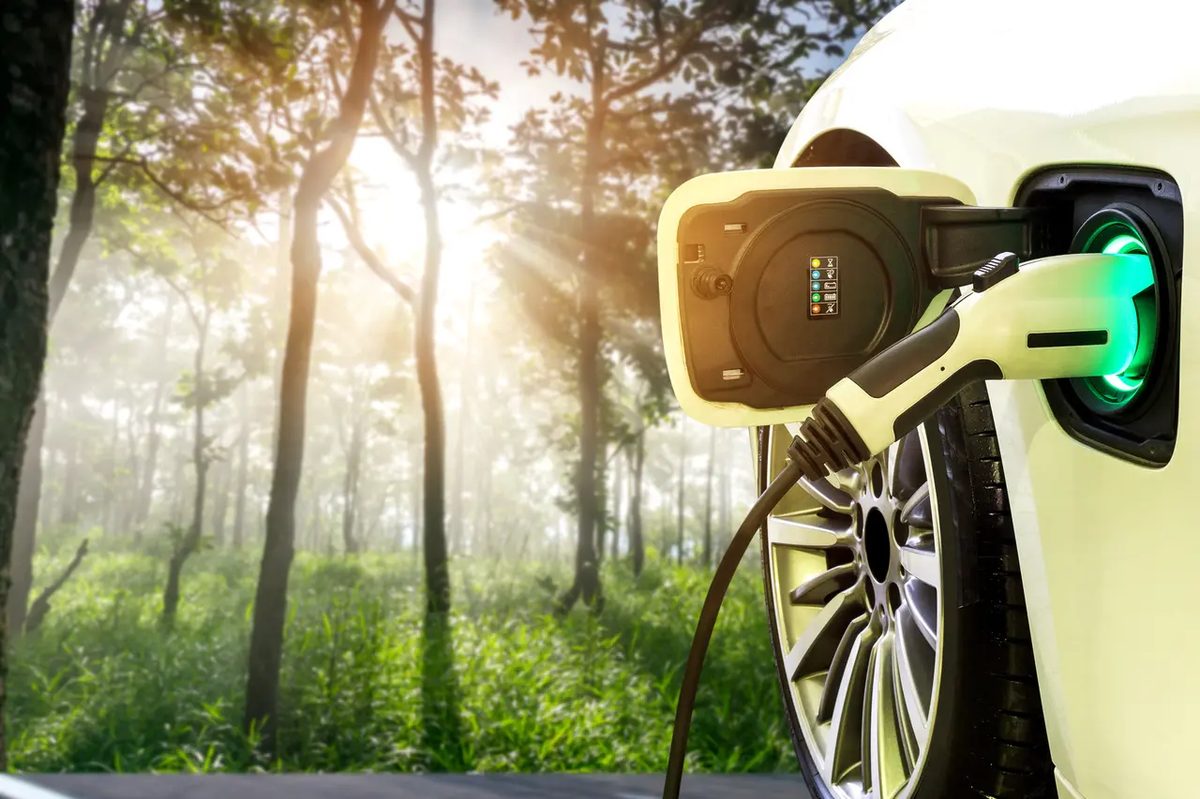
Argentina doesn’t have a network of EV charging stations. Not really. So how do you keep 100% electric vehicles moving without plugging them into a grid that doesn’t exist?
The organizers didn’t try to fix the grid. They built their own.
Portable 22 kW charging stations are on hand. Agreements with local municipalities in every stopover city provide access to their electrical grids. These connections use 32A three-phase outlets. The catch? These ports will be open to the public after the race. Partial charges are scheduled on the longer legs.
Then there’s the fail-safe.
If a vehicle runs dry on the open road, the assistance team has a backup. Two generators. They run on recycled vegetable oil.
This isn’t just charity. It’s engineering data.
The Green Expedition is designed as a technical challenge under extreme conditions. Machines will be punished. Elevation changes hit 3,000 meters. Thermal swings are brutal.
This environment reveals things that a controlled track cannot. It tests mechanical resilience. It stresses electronics. It pushes battery chemistry to its limit.
Manufacturers get valuable data from this abuse.
But data isn’t the only constraint. Range management is crucial. Competitors must master eco-driving. You can’t just floor it. You have to think about every watt.
It’s an adventure far removed from traditional rally raids. Those events leave a heavy environmental footprint. This one tries to leave none.
Good luck to the participants. The real question is whether this model survives the hype. Or if it becomes a footnote in electric racing history.