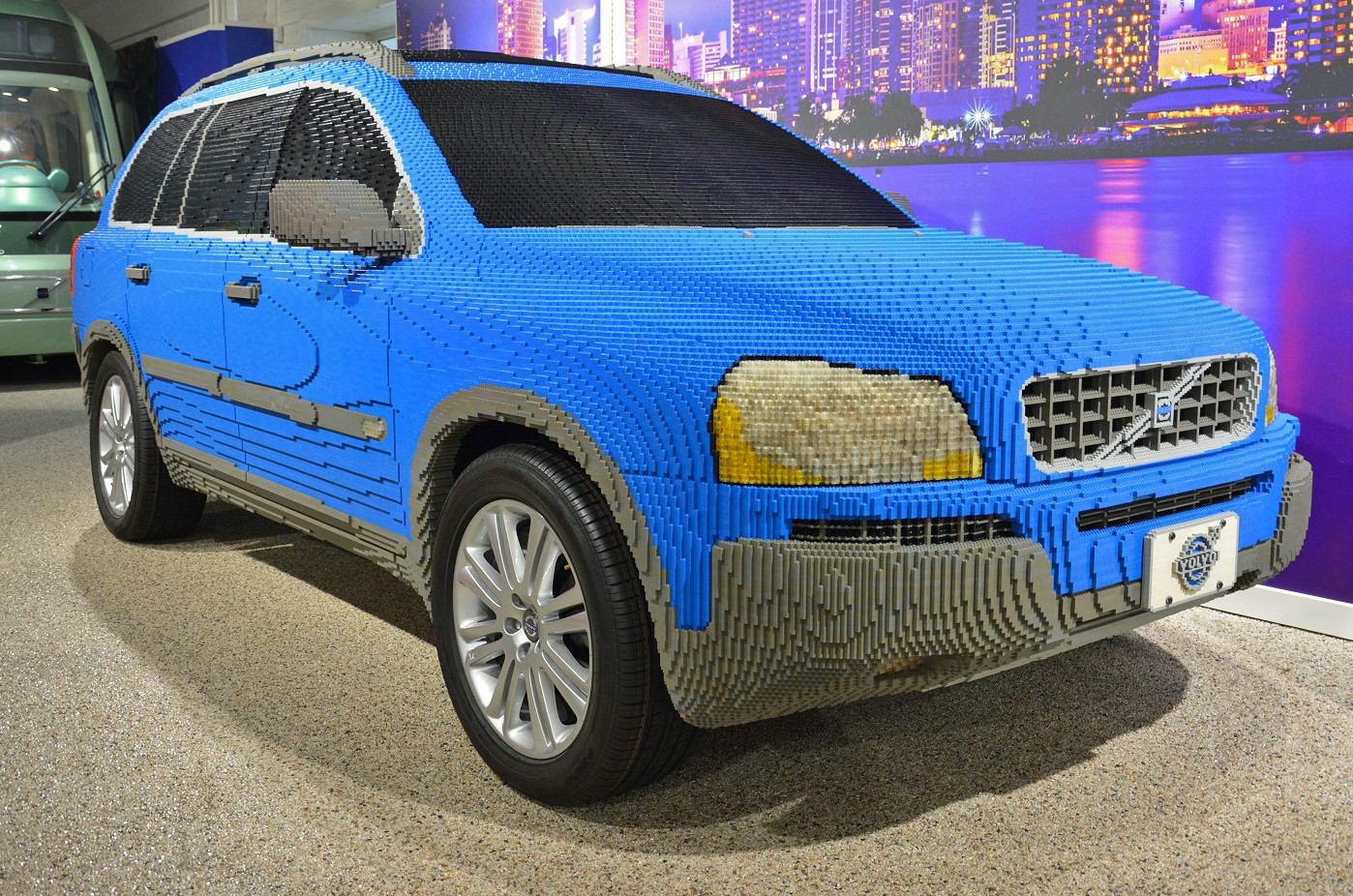
The Volvo Museum in Gothenburg is gone. It’s closed for good.
But before the exhibits packed up and moved to the new World of Volvo site, they offered a surprisingly fun look at a brand that wasn’t just about safety. Everyone knows Volvo makes tanks. Or, more politely, vehicles that prioritize survival. But the old museum proved that decision-makers also injected creativity, luxury, and genuine performance into their lineup. Without losing their soul.
It turns out these cars are stunning.
Here’s what remains of that history, distilled from the gems that filled the Gothenburg halls.
ÖV 4: The Car That Broke Itself on Day One
Volvo’s first mass-produced vehicle hit the assembly line on April 14, 1927. It was supposed to be a victory lap.
Hilmer Johansson, the sales manager, sat in car number one to drive it off the line for the cameras. He hit the gas. The car only moved backward.
Why? The rear axle differential gear was installed upside down. Shop foreman Johan Fingal didn’t panic. He fixed it in ten minutes. The celebration continued.
Between 1927 and 18929, Volvo built 204 of these ÖV 4s. Very few survive today. But they prove the brand’s hands-on roots.
PV 36 (1935): Too Far Ahead of Its Time
The PV 36 arrived in 1935 and looked nothing else like Volvo.
It was aerodynamic. Headlights sat flush inside the body. Rear wheels were fully covered by fenders. It looked like a spaceship compared to the boxy alternatives of the era.
People hated it. Or at least, they found it too futuristic to accept. The car, nicknamed the Carioca, was heavy. It was underpowered. It was expensive.
Production stopped after about 500 units over three years. It was a failure in sales, but a triumph in design language.
PV 444 (1944/1947): The Model That Saved Volvo in America
The PV 444 was the game-changer. Per-Åke Fröberg, head of heritage at Volvo, told Autocar the design was ready in 1944. But World War II caused labor shortages. Production didn’t start until 1948.
By then, the firm had over 10,0o0 orders waiting globally.
This car later evolved into the PV 544, which became massive in the United States. When Volvo officially started US sales in 1955, they needed a win. The PV 544 delivered. Two years later, it was the second-best-selling European car in California, trailing only the Volkswagen Beetle.
It put Volvo on the map where it mattered.
PV 61 (1948): The Jet-Set Convertible
Volvo didn’t just sell sedans. For a while, they sold bare chassis.
Most became pickup trucks. Or delivery vans. Or ambulances. Boring, useful workhorses.
But a small handful got a different treatment. These went to Swedish jet-setters who wanted something exotic. One example, a PV 61 chassis, was turned into a roadster by the Stockholm-based coachbuilder Nordbergs. Volvo later fully restored it.
It’s proof that even in the post-war years, there was room for style.
Philip (1953): When Volvo Looked at Detroit
Decades before “Scandinavian design” became a global marketing label, Volvo designers looked south. Across the Atlantic.
The 1953 Philip prototype looked like a American car.
Big chromed bumpers on the front and back. Generous, sweeping dimensions. It wasn’t the understated elegance we expect today. It was bold. It was American-inspired.
It shows that Volvo wasn’t always playing by its own rules. They watched, learned, and adapted.
The Takeaway
The physical museum is gone. The brick-and-mortar building in Gothenburg is empty.
But the story remains.
Volvo didn’t start as a safety-first corporation. They started as car makers. They made mistakes. The ÖV 4 drove backward. The PV 36 was too weird. But they also made the PV 444, the car that cracked the lucrative US market.
They balanced safety with style. Not perfectly. Never perfectly. But well enough.
If you go to the new World of Volvo experience, you’ll see the machines. You won’t see the old museum walls. But the lesson is the same: Volvo made cars that people wanted to drive. Even if they had to fix the reverse gear first.
And honestly, that’s the part that feels more human.