The accountants at Mercedes-Benz have a favorite. It isn’t the AMG GT. It isn’t the G-Class. It’s the GLA.
For 13 years, this subcompact luxury crossover has been the volume seller. Not because it’s thrilling, but because it works. It competes directly with the BMW X1 and Audi Q3, two models that have dominated the segment for years. Now, entering its third generation, the GLA is preparing for another major shakeup. And unlike the last refresh, this one involves a complete identity swap under the skin.
The new Mercedes GLA debuts next week. And it’s not just about a new paint job.
The Big Reveal: What We Know About the New GLA
Mark your calendar. July 29 is the day. Mercedes is hosting a livestream event on its official website to strip the camouflage off the third-generation GLA.
The broadcast kicks off at 1:30 PM ET (7:30 PM CEST / 5:30 PM GMT).
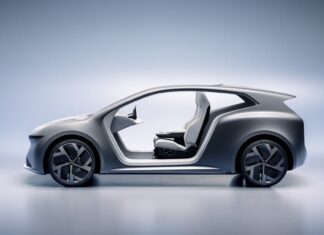
Expect to see two distinct variations rolling off the digital stage. One will be powered by conventional internal combustion. The other will be fully electric. This marks a significant shift in strategy. For the first time, the new GLA EV will replace the older EQA entirely. Mercedes is finally merging its electric and gas lineups into a single, unified design language. No more badging games. No more distinct front ends for EVs and ICE models.
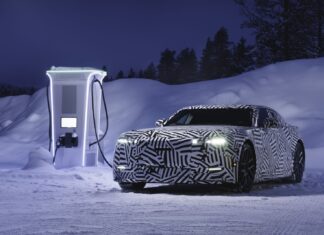
Camouflaged prototypes have been spotted in the wild for months. The footage shows both mild-hybrid test mules and electric equivalents. They look familiar, but larger. Car bloat is real, even in the compact class. The new GLA sits slightly higher and wider than the current model. It’s still technically an oversized hatchback, but it’s pushing the boundaries of what “compact” means.
Design Changes: Stars, Bars, and Flush Handles
You won’t miss the new design language. Mercedes has applied its signature three-pointed star motif to both the headlights and taillights. It’s a trend started on the EQ series and now bleeding into every corner of the brand’s lineup.
The most noticeable physical change? The door handles.
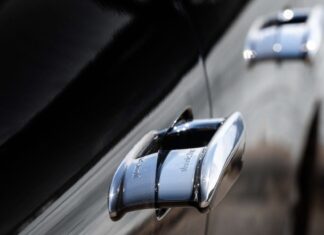
They’re gone. Replaced by flush, electrically operated pop-out mechanisms. Why does this matter? Aerodynamics. Lower drag equals better range for the electric version. It also gives the profile a cleaner, more modern look.
But there’s a catch.
Conventional handles are reliable. Pop-out handles can fail. They can freeze in winter. They can jam. Users have expressed serious usability concerns about these hidden switches. Mercedes is prioritizing efficiency and aesthetics over traditional convenience. If they break, you’re in a tricky spot.
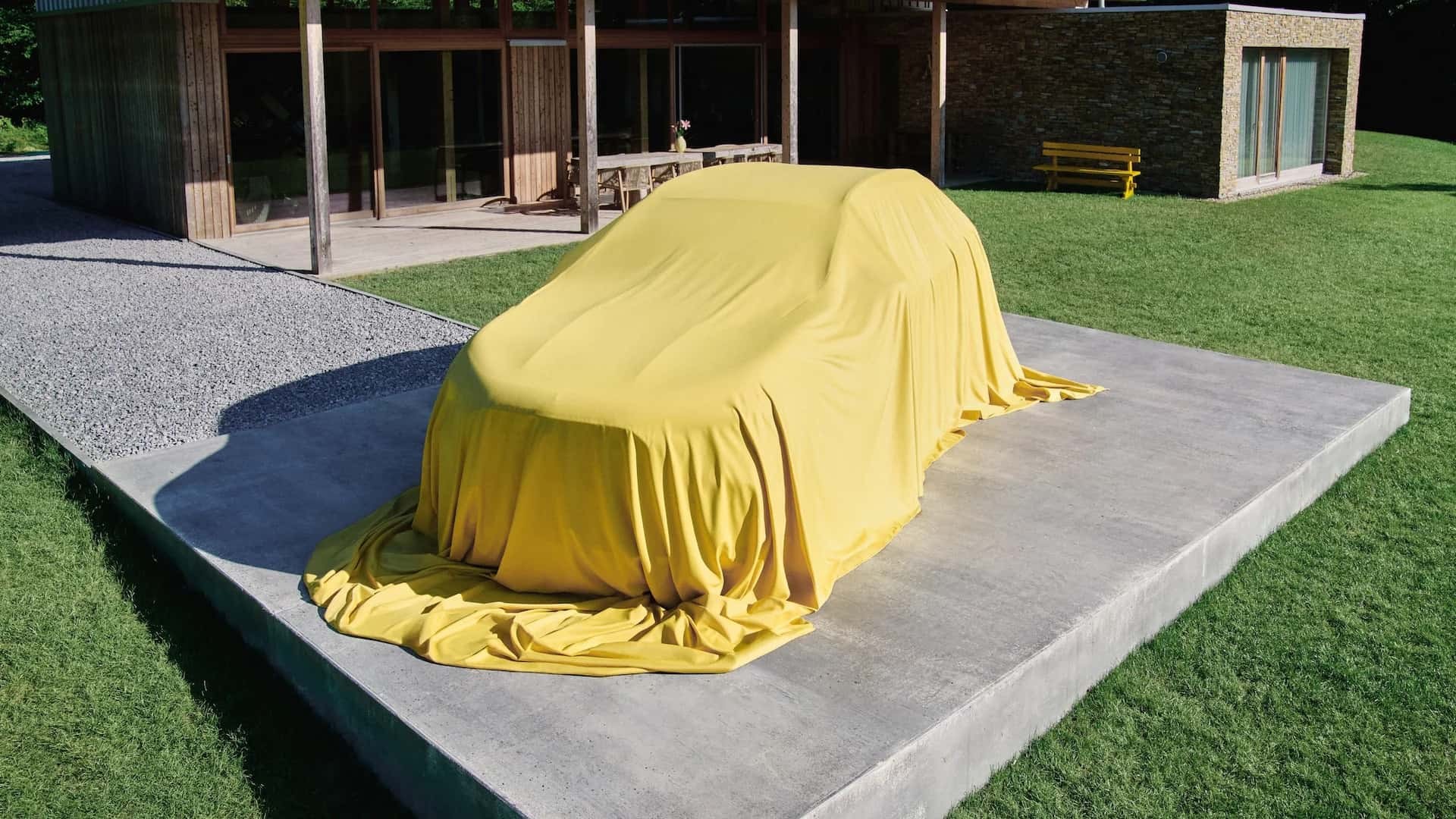
Light bars are likely hiding under the current yellow wrap. This horizontal striping has become a recurring theme in the latest Mercedes designs. It’s controversial, sure. But it’s instantly recognizable.
Interior Tech and Powertrain Details
Step inside, and you’ll find the dashboard dominated by screens. The GLB set this trend, and the GLA is following suit.
Expect a triple-screen setup:
- A 10.3-inch digital instrument cluster.
- A 14-inch central infotainment touchscreen.
- A second 14-inch screen dedicated to the front passenger.
Yes, the front passenger gets their own display. This allows for split-screen functionality where one person controls navigation while the other watches video or checks messages. It’s a feature that divides owners, but the data shows high adoption rates in other models.
An optional panoramic glass roof is also likely. This isn’t just a sunroof. It’s a “starscape” roof with fiber-optic lights embedded in the glass, mimicking a night sky. It sounds gimmicky until you see it in person. Then, it’s just atmospheric.
Under the hood, things get interesting. The mild-hybrid version will likely feature a turbocharged 1.5-liter engine. Front-wheel drive will be standard, with all-wheel drive available.
The electric model is where the divergence happens.
Unlike the gas version, the electric GLA is expected to offer rear-wheel drive as a base configuration, alongside all-wheel-drive options. This mirrors the setup seen in the larger GLB. Some reports also suggest the electric variant might include a “frunk” (front trunk), providing extra storage space.
There will be no three-row version. That’s the GLB’s job. The GLA remains a two-row compact.
Is the New Mercedes GLA Worth the Wait?
Let’s be honest. The GLA was never designed to make your heart race. It’s practical. It’s efficient. It fits in city parking spots. It has enough room for a family or a single person who values comfort over sportiness.
Will this generation be any different?
Probably not. It will be slightly larger. Slightly more tech-heavy. Slightly more expensive. But it will still be a sensible choice for buyers who want a premium badge without jumping into the mid-size SUV segment.
The real excitement might come from the performance variants. Could Mercedes apply the AMG treatment to the GLA?
The AMG CLA 45 already exists, and it’s terrifyingly fast. If the GLA gets an AMG version, it could bring that same performance to a more accessible price point. But don’t expect a high-performance gas-powered GLA. The internal combustion engine is being phased out in the lower tiers of the Mercedes lineup. The C-Class and above are the last bastions of pure gas performance in the mainstream range.
The A45 hot hatch is still sold, but its replacement is in development. The future is electric. The GLA is part of that future.
So, is it exciting? No. But is it necessary? For Mercedes’ sales figures, absolutely. The GLA funds the rest of the portfolio. It pays for the S-Class. It funds the electric research. It’s the breadwinner. And breadwinners rarely get the glory, but they keep the lights on.
Next week, we’ll finally see what the third-generation GLA looks like. Expect a star-studded face, flush doors, and a dashboard that feels more like a tablet stand than a traditional car interior.
It’s not going to change your life. But it might change your commute. And for many buyers, that’s enough.
What’s your take on the flush door handles? Do you see them as a progressive aerodynamic feature or a reliability nightmare waiting to happen? The debate will start the moment the wraps come off.