Ambrose Henderson isn’t sweating. Not even a little.
Despite BYD outselling Ford Australia in April—the first time the Chinese giant landed second place nationally, right behind Toyota—Henderson treats the news like a minor typo. Ford says they are “running their own race.”
Their race.
BYD hit 7,702 sales in April. Up 140% from last year. It crushed its previous monthly record by nearly 500 units. They beat Ford, Kia, Hyundai, and Mazda all at once.
“It’s a point in time… based on what’s happening in the overall environment,” Henderson said.
Translation? It’s temporary. He expects things to “normalise.”
Here’s the thing: BYD is aggressive. They just launched the Atto 1, an electric hatch that might just knock the MG3 off the cheap-car throne. Their Sealion 7 SUV sold over 6,000 units this year. The Shark 6 ute? 4,851. They’re building a list, not just making noise.
Meanwhile, Ford sales dropped 21% in April.
So Henderson did what any corporate executive does when facing an existential threat wrapped in green energy: he pivoted to logistics.
The Ship Spectacle
BYD recently announced a “special shipment” of 4,810 vehicles. The cargo ship BYD Zhengzhou is currently sailing from Shanghai. It will hit Melbourne on June 2. Then Sydney. Then Brisbane.
There is even a media event planned for the arrival.
BYD’s press release included a quote from the captain about seabird species spotted en route.
It feels like theater. Henderson hates theater.
Three or four years ago, Ford leased two cargo ships. Not one. Two. They shuttle Rangers and Everests from Thailand to Australia non-stop. Thousands of them every month.
So Henderson dismisses BYD’s 5,000-car ship as PR sensationalism.
We do that every month, he says. No big deal.
But let’s pause. BYD is importing a flotilla while Ford moves metal via chartered RORO vessels from Thailand. Does the source of the ship change the fact that 4,000 new cars are hitting the market? Probably not. But Henderson needs to frame BYD’s volume as noise rather than a structural shift.
“Window Dressing” vs. “Built Here”
The real sting in Henderson’s response isn’t about logistics. It’s about engineering.
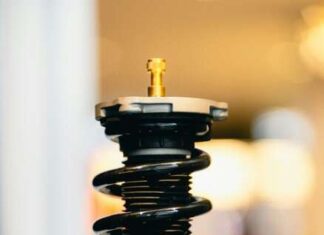
Chinese brands like GWM and BYD tout “Australian-tuned” vehicles. They hire local teams to tweak the suspension, stiffen the springs, adjust the dampers. Make the car feel right for corrugated highways.
Henderson calls it window dressing.
How much is Australian tuning? he asks. Five percent? Maybe.
His argument is stark: tuning happens at the end. If the hardware isn’t designed for Australian roads from day one, tweaking the shock absorbers won’t save you. Ford argues that because they design and engineer the Ranger and Everest entirely in Australia—NVH, brakes, performance included—they have a structural advantage you can’t bolt on later.
Put the right hardware in at the start.
It’s a confident claim. But it ignores that consumers might prefer a car tuned locally for 20% of the cost, rather than one designed here with a 40% premium.
The “Competitive Environment” Trap
Ford insists the market isn’t broken. It’s just competitive.
Australia has been the most competitive market on earth for a long time, Henderson says. Two world wars. GFC. COVID. Depression. We’ve seen it all.
This is true. Ford has survived a century of shocks.
But is the rise of vertically integrated Chinese EV manufacturers comparable to a financial crash? Probably not. The economic tailwinds favoring battery EVs (BEVs) aren’t forever. Fuel prices spike, then drop. Interest rates change.
Those are points in time, not systemics.
Ford is doubling down on its fortress segments: mid-size utes and large SUVs. They’ve added cheaper entry-level Rangers and Everests with V6 diesels. They’re trying to fill the ladder from bottom to top.
The Raptor? Unrivaled.
The standard Ranger? Under fire.
Henderson argues that Chinese brands dominate other segments Ford ignores. That’s technically true. They win the EV hatch market. They’re chewing up the PHEV segment.
But when your core demographic starts eyeing a Sealion 7 or a Shark 6 PHEV, “we run our own race” stops sounding like confidence and starts sounding like a plea.
The ship is arriving in Melbourne soon. Henderson won’t be on board.