We live in a world obsessed with closures. Ketchup bottles. Tupperware. Manholes. One guy I know has a bin full of nothing but caps, and that bin has a lid. There’s even a retail store called Lids. I don’t buy hats. I care about the seal.
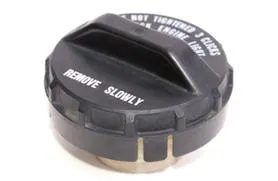
Specifically, the gas cap.
It’s that small, round door on the side of your vehicle. It’s easy to ignore. It’s easy to leave behind. You can strip a car of its passenger door or rear axle and people will notice instantly. Leave off the gas cap and drive away? Most drivers won’t even know until the check engine light pops up. Or they won’t know at all.
The Hidden Cost of a Loose Seal
People think a missing gas cap is harmless. They are wrong.
A loose or absent seal doesn’t just look sloppy. It actively hurts your fuel efficiency by 1% to 2%. That sounds small until you run the numbers over a year. The cap’s job is containment. It keeps gasoline where it belongs: inside the tank.
Gasoline evaporates. This isn’t a bug; it’s a feature of how liquid fuel behaves. The car’s EVAP system captures those vapors and burns them for energy. If the cap is gone, those vapors vent directly into the atmosphere. No efficiency gain for you. Just pollution. And a wasted dollar.
How to Check Your Gas Cap Fit
A missing cap is obvious. A loose one? That’s the real trap.
Car Junky suggests a simple auditory test. When you unscrew the cap after a drive, listen closely. You should hear a distinct hiss.
That hiss is the sound of pressure release. It means the seal is intact. The tank was pressurized correctly. If it’s silent, the seal is compromised.
The hiss means that your gas cap fits well.
Protecting the Engine
Beyond efficiency, the cap is a barrier. It stops dirt. It stops contaminants.
Gunk in your fuel lines is bad news. It clogs injectors. It reduces combustion efficiency. It hurts the engine. The cap is the first line of defense. Without it, the tank is an open window to the street.
Keep the seal tight. Listen for the hiss. Save the vapor. Save the money.