Wine gets better with age. So does fine art. Both appreciate. A bottle of Bordeaux set aside for two decades is worth a fortune. A forgotten painting might suddenly become a museum piece.
Most things don’t work this way. They rot. They break. They become obsolete. That furniture you bought five years ago? It’s not worth what you paid. Maybe half. Maybe less, depending on how many kids drew on it with markers.
Cars are the same. Except the depreciation hits harder and faster.
Unless you’re driving a rare classic that appreciates like an investment grade asset, your vehicle is a liability the moment you drive it off the lot. This isn’t a personal failure. It’s math. And most new buyers ignore it until it’s too late.
When you buy a car, you’re looking at gas. Maintenance. Insurance. Taxes. All of these matter. But depreciation is the silent killer of equity. You need to understand why it happens. How much it costs you. And what to do about it.
The Instant Hit: Off The Lot Depreciation
The steepest drop in value isn’t gradual. It’s a cliff.
Off the lot depreciation is the term for the massive value loss that occurs in the first year of ownership.
Why does it happen?
- The “Used” Label: The second you register the car, it’s no longer new. It’s used. The market prices used cars significantly lower than new ones, even if the mileage is zero.
- New Car Premium: You pay for the novelty. The fresh smell. The unscratched paint. The dealership knows this. They price in the desire for “new.” You don’t get that back.
- Immediate Wear: Tires lose tread. Paint chips. Interior settles. The car has lived.
How Much Do Cars Depreciate?
General figures vary by brand and model. But the industry average is stark.
- Year 1: Expect to lose 20% to 30% of the car’s value.
- Year 3: The car has lost roughly 40% to 50% of its original MSRP.
- Year 5: You’re looking at 50% to 60% total depreciation.
A $40,000 sedan might be worth $24,000 after three years. A $60,000 luxury SUV could be down to $30,000.
This isn’t speculation. It’s the resale market. Dealerships buy these cars to resell. They bid low because they need margin. Private sellers want quick cash. They price low. You’re caught in the middle.
Which Cars Depreciate Fastest?
Not all vehicles bleed value equally.
High Depreciation:
* Luxury brands (non-limited edition)
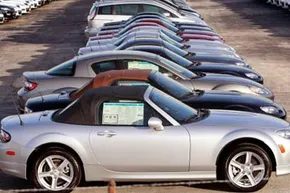
* Convertibles (seasonal demand drops)
* High-performance sports cars (niche market, maintenance costs scare buyers)
* Electric vehicles (battery anxiety, rapid tech obsolescence)
Low Depreciation:
* Trucks (F-150,
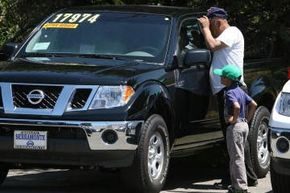
The Silent Thief on Your Dashboard
You’re staring at the odometer. The engine temp gauge is sitting comfortably in the middle. The check engine light is off. You’ve got the insurance card on the dash and enough fuel to make it to the next city. Your brain is full of immediate survival metrics.
But somewhere in the background, a number is ticking down. Hard.
Car depreciation doesn’t honk. It doesn’t rattle. It just quietly eats your equity. Enthusiasts call it the “silent thief” because it’s the single largest expense you’ll ever incur with a vehicle that isn’t a monthly lease payment.
Most buyers ignore it until they’re trying to sell a lemon they can’t get rid of.
The Math of Losing Money
Here is the baseline reality. Every vehicle loses value. Period.
The industry standard for annual depreciation sits between 15% and 20%. That’s not a suggestion. It’s a statistical fact.
Let’s look at the math for a hypothetical purchase. You buy a used car. After year one, it’s worth $15,000. That’s your baseline.
Year two hits. The car loses 20% of that value.
$15,000 – 20% = $12,000.
Year three. You don’t just subtract the same dollar amount. You subtract 20% of the new value.
$12,000 – 20% = $9,600.
The curve gets steeper at the top. The first year is brutal.
Why the First Year Hurts Most
A new car hits the lot. You sign papers. You pay the MSRP plus taxes, fees, and registration. You drive off.
In that exact moment, the car is no longer “new retail.” It is “used wholesale.”
The difference between what you paid and what a dealer would offer you five minutes later is thousands of dollars. It vanishes.
If you leased, you never owned the asset, so the pain is abstract. If you bought outright, you just watched your net worth drop by 20-30% before the tires even wore down a tread.
Why does this happen?
- The “New” Premium: You paid for the novelty. Once you own it, the novelty is gone.
- Instant Classification: It is now a used car. Used cars have higher perceived risk and lower demand than new inventory.
- Sunk Costs: Taxes and license fees do not transfer when you resell. They are gone forever.
How to Mitigate the Bleed
Can you stop depreciation? No. Can you slow it down? Yes.
Depreciation isn’t random. It’s driven by supply, demand, and brand perception.
High-demand, low-supply vehicles hold value better. Think limited edition performance trims or reliable workhorses with long waitlists. If people are waiting for it, the resale market stays hot.
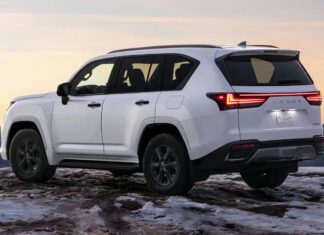
Some brands depreciate slower than others. This varies by region and model year, but generally, brands known for longevity or exclusivity retain a higher percentage of their original value. A Toyota Land Cruiser or a Porsche 911 will not follow the same depreciation curve as a generic compact sedan.
Condition is king. A well-maintained vehicle with full service records will always fetch a premium over one with gaps in its history. Oil changes matter. Dent repair matters.
Accept the loss. The moment you buy a car, you accept that it is a depreciating asset. The goal isn’t to stop the bleed—it’s to choose a vehicle that bleeds slower.
Where to Start
If you’re shopping for your next ride, don’t just look at the monthly payment. Look at the five-year resale projection. Use a car depreciation calculator to model different trims.
The numbers don’t lie. The faster you drive off the lot, the faster your money disappears.
Related Content
- How to Buy a Car
- How Car Restoration Works
- 8 Automotive Lemons
- Is it smarter to buy or lease a car?
- Car Buying & Selling Videos
- Wrecks to Riches: Auto Auction
- Car Depreciation Calculator
Sources
- Dictionary.com. “Depreciation.”
- Lazarony, Lucy. “Know the deal on auto depreciation.” Bankrate.com.